I’m Sorry, Choles Ritchil
Don’t even think of raising your voice. Etho boro shahosh! You see what happened to Choles. Don’t make us be sorry again. Continue reading I’m Sorry, Choles Ritchil
Don’t even think of raising your voice. Etho boro shahosh! You see what happened to Choles. Don’t make us be sorry again. Continue reading I’m Sorry, Choles Ritchil
Bangla original by Keto Bhai English Translation by Alal O Dulal Hey Duffer, what’s your problem? All this time you begged for time off. Now you got it, the holiday But still on the street, loafing around time waste. I … Continue reading Hey Gedu, Stay Home
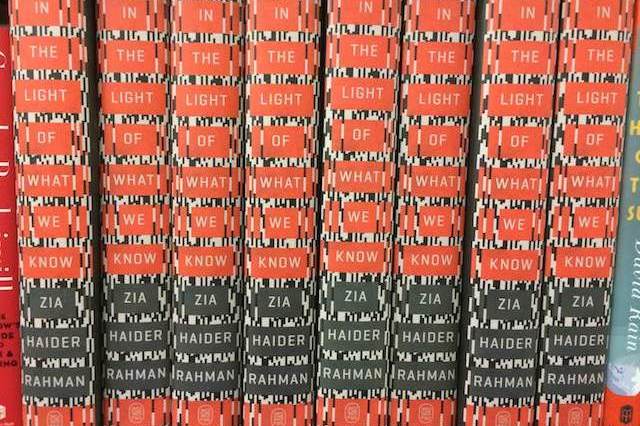
When you turn to page 186 of In the Light of What We Know, you encounter an illustration. The novel’s two main characters have by this point discussed many things, and readers may have already been craving visual aids. But this is the first time the text is interrupted by a diagram. You sense, therefore, the arrival of a crucial digression. Continue reading “Known Unknowns of the Class War”
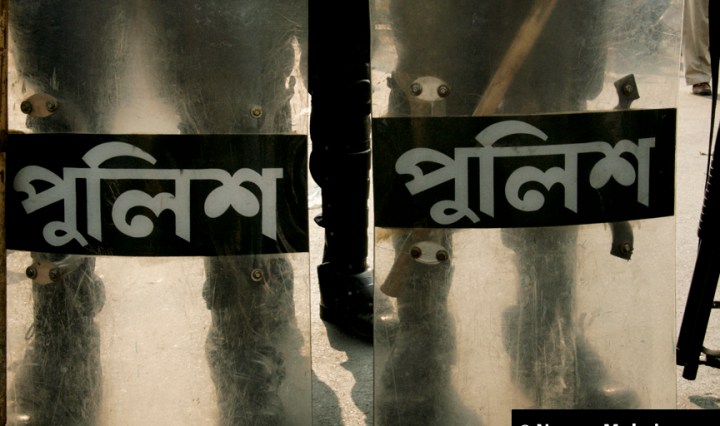
Photography’s elusive credit line, and should we pirate Photoshop?
by Naeem Mohaiemen for AlalODulal
Photography’s attribution has entered increasingly contested waters as the internet has made photo sharing ever easier. Continue reading “Photography’s elusive credit line; and, should we pirate Photoshop?”
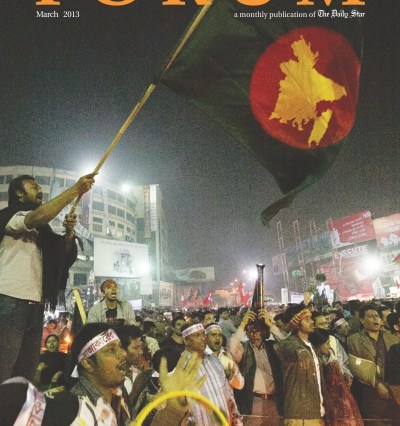
Daily Star has announced that FORUM, it’s long-running monthly magazine, will close down as a “cost-saving” measure. FORUM was originally published in the 1960s/70s, with an editorial board that included Hameeda Hossain, Rehman Sobhan, and others. It was revived in the 00’s with Zafar Sobhan as editor. For last few years, Kajalie Shahreen Islam is the editor. It is the country’s only monthly magazine of serious, long-form, non-fiction essays in English. Continue reading “Killing Print Culture: Must FORUM Die?”
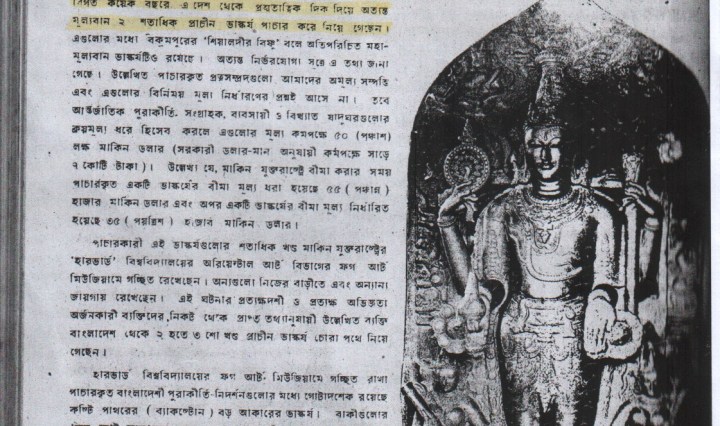
David Nalin: friend or smuggler of antiquities?Guest Post by Dr. Perween Hasan
I was surprised and angered to read a report in the daily Prothom Alo (March 30, 2013) entitled ‘ This country is destined to march forward: an interview with David Nalin, a friend from overseas’. Continue reading “Dr. Perween Hasan: David Nalin, “friend from overseas” or smuggler of antiquities?”
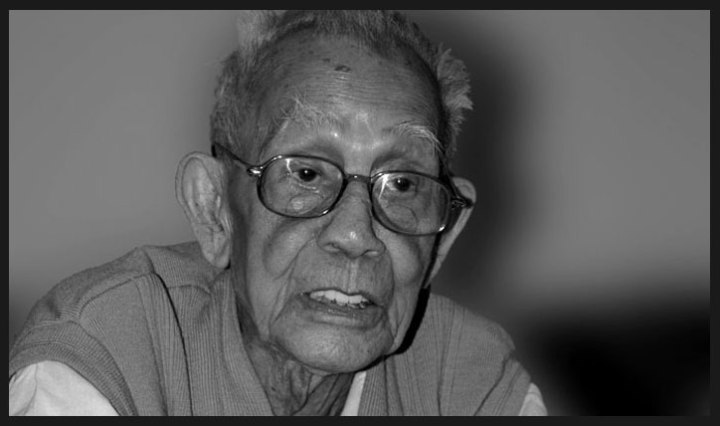
Sometimes you wait your whole life to meet someone properly.
Continue reading “Comrade Binod Bihari Chowdhury (1911-2013)”
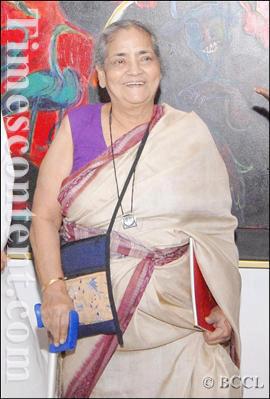
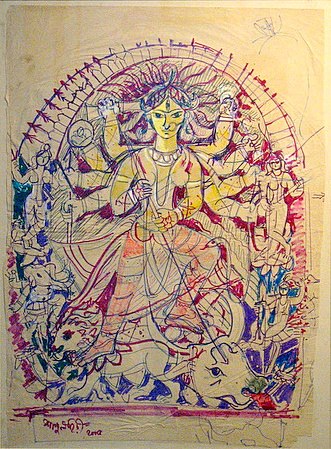
Shanu Lahiri is no more. A great and rare soul has left Kolkata and the earth.
Continue reading “Shanu Lahiri (1928-2013)”
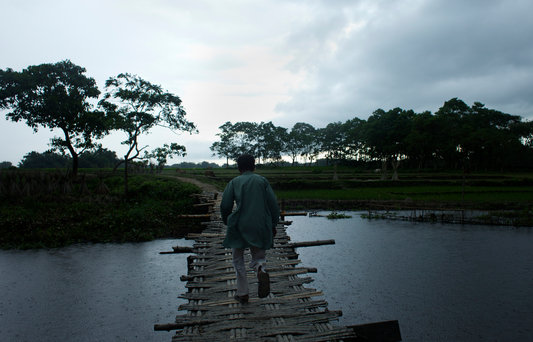
In November 2012, The New York Times ran two paired pieces written from both sides of the Bengal border.
Jyoti Rahman analyzes both articles: “Naeem is a few years older than me, and Mr Ray is likely to be slightly younger. That means, all of us were born decades after partition. Ours is the generation that has not known Pakistan in Bengal. Ours is the generation that has no lived experience of 1971. Both writers describe what the ‘other’ Bengal has meant to them over the years. Obviously I can relate to Naeem’s story, but I don’t share his conclusion. And while I find Ray’s story interesting for its misconception, I do relate to the way his story ends.”
Continue reading “On the borders of two Bengals”
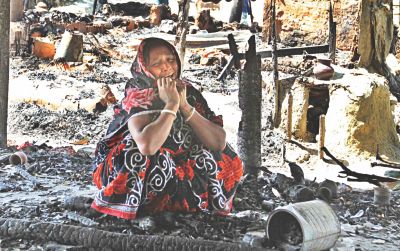
With all its flaws, Taslima Nasreen’s Lajja (1993) diagnosed the crisis at the heart of Bangladeshi identity. On the last page, after a week of violent communal riots, the Bengali Hindu family is finally defeated…“Shudhamoy was walking while leaning on Kiranmayee’s shoulder. Gradually the strength was coming back to his body. Kiranmayee held on to Shudhamoy with both hands.
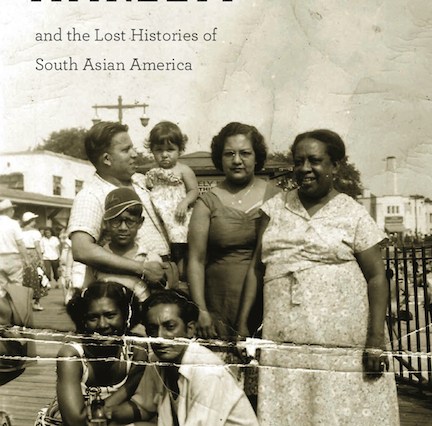
The Skin I’m In: Afro-Bengali Solidarity & Lost Histories of America
Naeem Mohaiemen reviews Vivek Bald’s “Bengali Harlem”
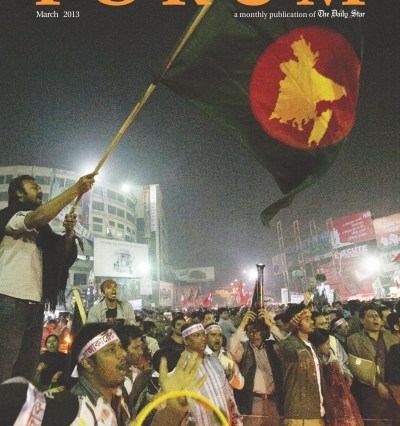
History is hard work, but are we willing?
by NAEEM MOHAIEMEN.
[Forum Magazine, March 2013]
Continue reading “History is hard work, but are we willing?”
 আলাল ও দুলাল | ALAL O DULAL