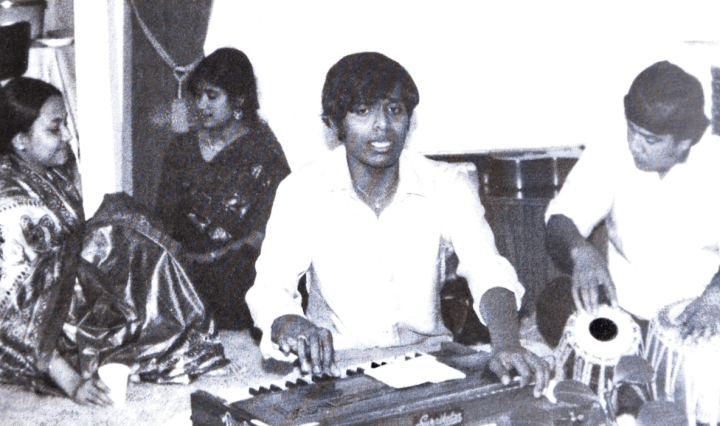
Bangladeshis in Canada: The First Wave
1970s Canada: “Are we losing our identity as Bangladeshis?” Continue reading Bangladeshis in Canada: The First Wave
1970s Canada: “Are we losing our identity as Bangladeshis?” Continue reading Bangladeshis in Canada: The First Wave
As if free speech were deadlier than the virus. For many who were picked up, disappeared, or imprisoned, that’s exactly how it was. Continue reading A Storm in a Teacup
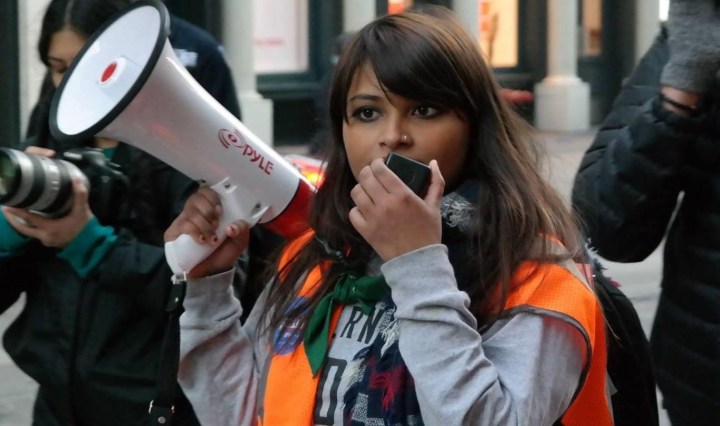
In the last 20 years, the struggle for survival of these new Americans has turned into a battle for rights. Continue reading New York Election: Record Number of Bangladeshi Candidates

As migrant labourers from different parts of India trekked back hundreds of kilometres carrying their scanty belongings and dragging their hungry and thirsty children in the scorching heat of the plains of India to reach home in central or eastern … Continue reading Borders of an Epidemic

From: Bina D’CostaSome useful reports and camp management documents, case management questionnaires that may be of interest to you. Camp Management in COVID_IOM CARE Gendered Implications of COVID-19 – Executive Summary CARE Gendered Implications of COVID-19 – Full Paper Case-management-and … Continue reading COVID-19: Gender, Children, Refugees
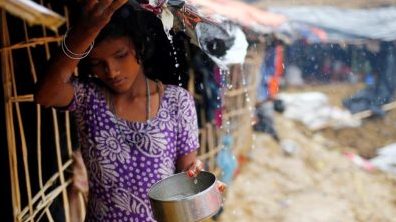
REUTERS/Mohammad Ponir HossainIndia’s WIRE magazine has published a timeline compiled by Alal O Dulal collective. The Sources are: The Rohingyas: Inside Myanmar’s Hidden Genocide (Hurst), Exiled to Nowhere: Burma’s Rohingya (Nowhere People), Human Rights Watch, United Nations, Global Center for the … Continue reading Rohingya Timeline (1784-2017)
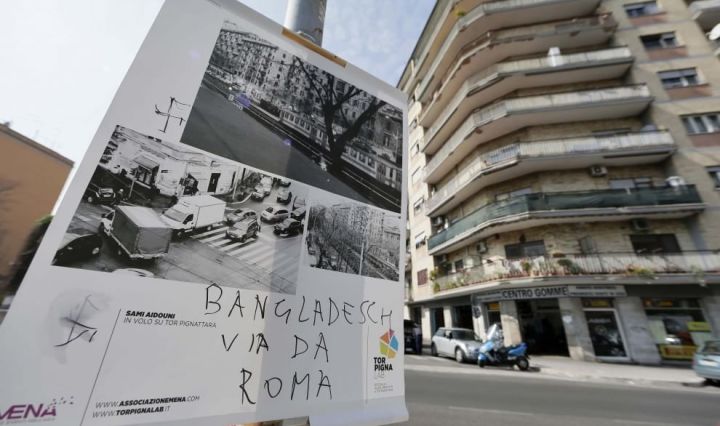
“A mean and uncivilized act that insults not only the work of the young participants of the photography workshop but all the associations that are active in the neighborhood.” Continue reading ““Bangladeshis, Leave Rome” and Nazi Swastikas”
Continue reading “Saudi Hip-Hop: “They say Bengalis are thieves””
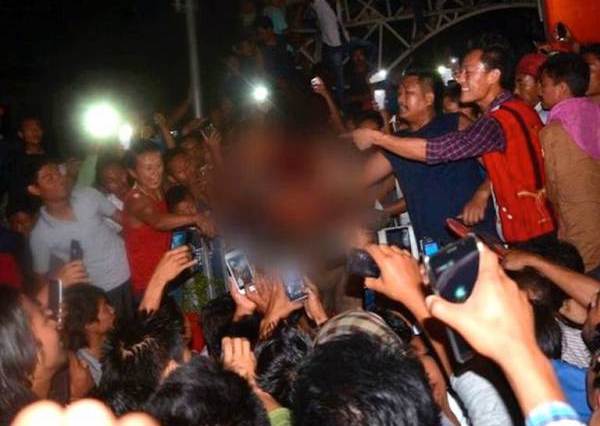
[I]n the Northeast [of India] IBI no longer has a literal meaning nor is it about citizenship, it is a racist shorthand, a template; a discursive formation under consolidation since the late 1970s which represent Bengali Muslims in the Northeast…”
Continue reading ““Illegal Bangladeshi Immigrant” & India’s Honour”
By Nadine Murshid for AlalODulal.org
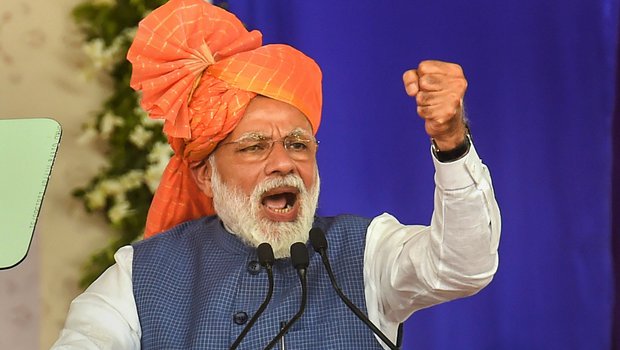
OPEN LETTER TO NARENDRA MODI
Dear Mr. Modi,
It has come to our attention that you are about to head the next government in India. Many congratulations. It has also come to our attention that you have been saying un-neighborly things about us, Bangladesh and Bangladeshis. We are deeply hurt by your comments, but we are open to forgiveness. We are not the forgiving type, really, but we do make exceptions. And we will for you if you carefully consider the following: Continue reading “Open Letter to Narendra Modi”

How did a dyslexic child become one of the world’s most celebrated designers and applied his sheer brilliance to develop products that have stood the test of time?
Mahmudul Islam provides a perspective on the role of parenting on a particular kind of normative success for AlalODulal.org.
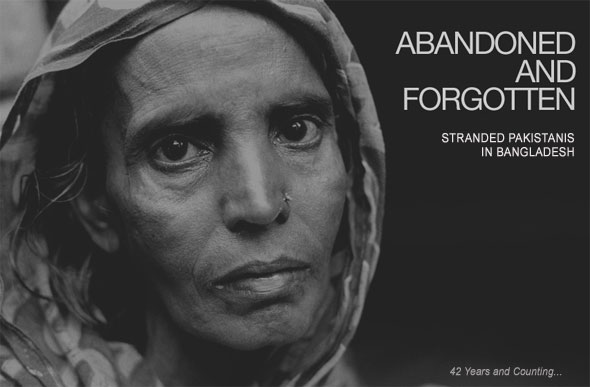
AlalODulal Editorial Board condemns in the strongest terms the violence that left at least 11 Urdu Speaking people (“Biharis”) dead. Anthropologist Dina Siddiqi’s research on the conditions of “stranded Pakistanis” (inaccurately called “Biharis,” but more accurately “Urdu speakers”) after 1971 is newly relevant. In the current discourse around the 1971 war, the fate of the Urdu speakers at war’s end is elided. It is one of the zones of silence because it does not fit with the Bangladeshi discourse around the war. Nor does it fit Pakistan’s convenient discourse, especially after a 2008 high court decision granted them Bangladeshi citizenship. We at AlalODulal feel it is crucial to highlight those left behind in multiple nation projects.
Continue reading “Left Behind By the Nation: ‘Stranded Pakistanis’ in Bangladesh”
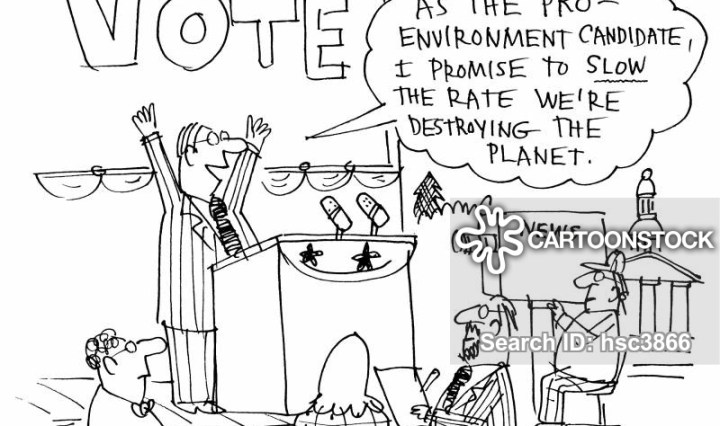
Election promises, the role of research in economic growth, and the involvement of accomplished Bangladeshis in diaspora Md Saif Islam, Professor, UC Davis, for AlalODulal.org (1) Although the horrific uncertainty over the elections has seemingly overwhelmed the country’s political environment, … Continue reading Role of research, and the involvement of diaspora
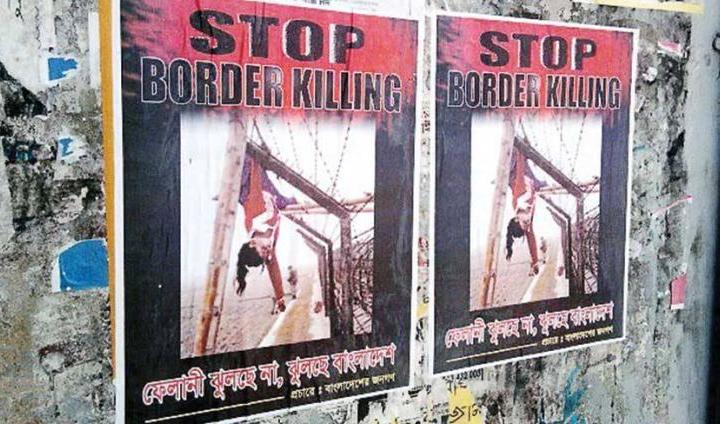
Do we really care about Felani?
By Afsan Chowdhury for AlalODulal.org
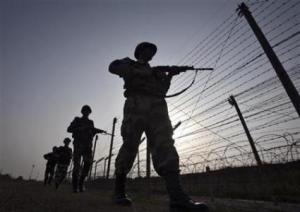
Do you have to be shot by the Indian security forces and lie hanging on the border fence before anyone notices you?
There are millions of such desperately poor girls who live out a terrible life and die but nobody pays any attention. But we notice Felani’s because it’s violent, involves our so-called sovereignty and also India, whom we dislike for many reasons. Continue reading “Afsan Chowdhury: Do we really care about Felani?”
By Adil Mahmood for AlaloDulal
An important point often missed in heated discussions on Border Killings is our national culture – that we share with our giant democratic neighbour – of holding life of the subaltern citizens as less valuable.
Continue reading “Border Killings and Our Indifference to Murder”
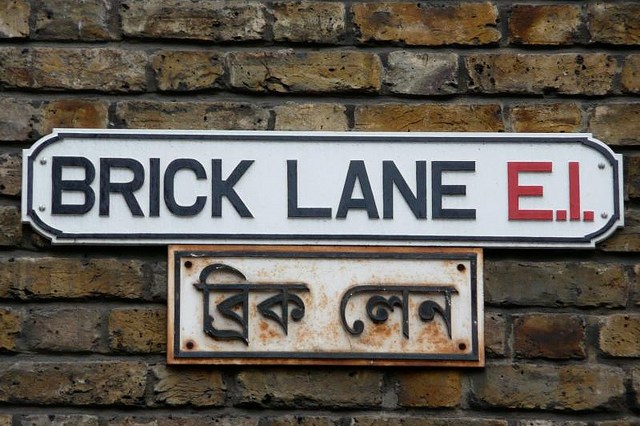
Mind your language: “Too Much Bengali Spoken in Tower Hamlets (Council)”
by Udayan Chattopadhyay, for AlalODulal.org
Tower Hamlets is one of the most densely populated Bengali areas outside of the subcontinent. Continue reading “Udayan Chattopadhyay: Mind your language”

“’Second Home’: The Sahibs of Begam Para and the Turtles that Sell the Country”
by Faruk Wasif for Prothom Alo, translated for AlalODulal.org by Nusrat Chowdhury [please do not reproduce w/o permission]
If one asked which animal carries its own home on its back, the answers would be, 1. a turtle; 2. a Chinese farmer; and, 3. a few thousand wealthy Bangladeshis. Continue reading “The Sahibs of Begum Para and the turtles that sell the country”
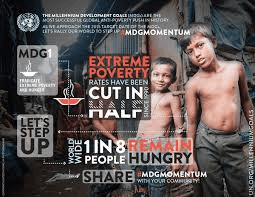
The Economist writes: “Bangladesh and Saudi Arabia: Revenge of the migrants’ employer?”

The data is what it is. And the story of Saudi reax against WCT may well be true. But it’s not the only possible story. And I am not even sure it’s the right story. Continue reading “Saudi Arabia: Bangladeshi labor becomes less “docile””
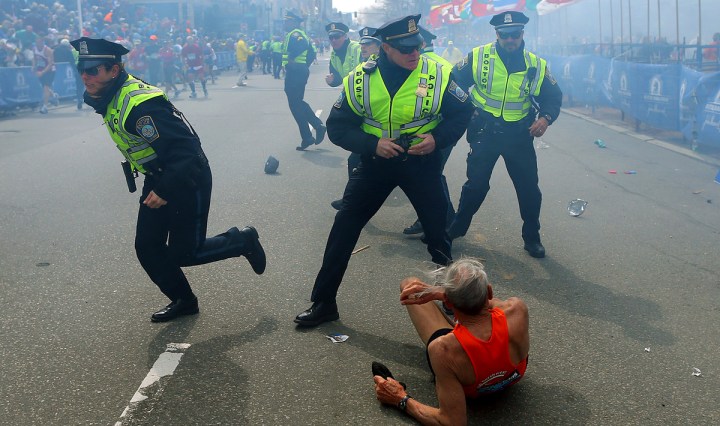

As Faruque, a Bangladeshi-origin network engineer, turned to return to his meal, one of the other men said: “Yeah, he’s a f–king Arab,” leading to a brutal pummeling that dislocated Faruque’s left shoulder and left him semiconscious. Continue reading “Hate Crimes after Boston: Bangladeshi network engineer becomes “fucking Arab””

“About 30 migrant workers, mainly Bangladeshi, have been wounded in a shooting on a strawberry farm in Greece after requesting salaries that had not been paid”
Bangladeshi migrants shot in Greece
Continue reading “Greece, Blood Strawberries, and Hate Crimes crisis”
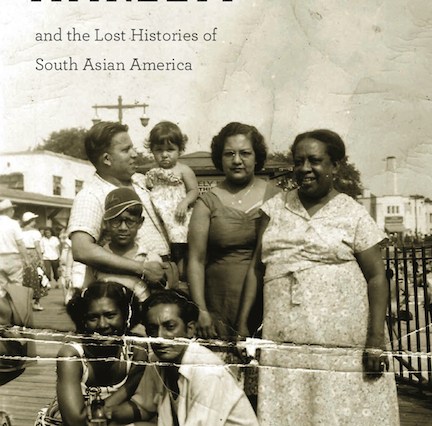
The Skin I’m In: Afro-Bengali Solidarity & Lost Histories of America
Naeem Mohaiemen reviews Vivek Bald’s “Bengali Harlem”

BRITISH BANGLADESHI POWER 100 list has been released. Problematic concept (“Power”), fuzzy categories, and bizarro inclusions (Gaffar Chowdhury!), but here it is– for blog dissection.
 1. Irene Zubaida Khan
Irene is Chancellor of University of Salford and in 2001 she was the first woman, the first Asian, and the first Muslim to guide the world’s largest human rights organization, Amnesty International as its seventh Secretary General. Continue reading “British Bangladeshi “Power 100””


Barbershop in Queens, New York (Photo: Nina Porzucki)
Once a month Zain Ahmed treks from the Upper East Side of Manhattan to a windowless basement shop in Jackson Heights, Queens, just to get his haircut. “I take 3 or 4 trains just to get here,” says Ahmed. “That’s dedication, right?”
Continue reading “Language Holding Back New York’s Bengali Voters?”
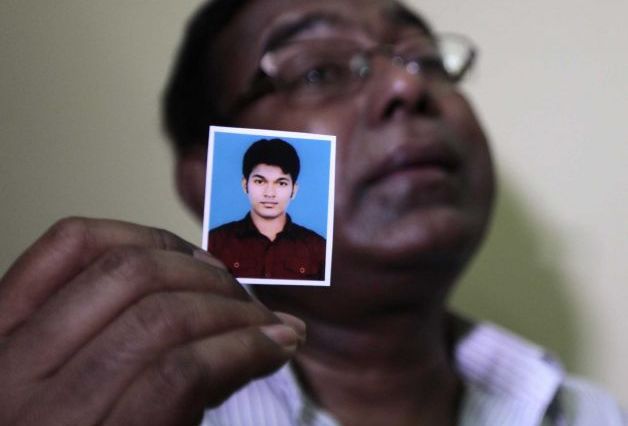
Blogger Rumi (a successful medical doctor in US who came here on a student visa in the 1980s): “The outrageous, inexcusable act of The Bangladeshi Student, facilitated and influenced by an FBI undercover agent, has claimed it’s first victim – the student visa system.”
Student visas concern after terror plot
Grand Jury to be convened

Nafis was allegedly planning something for which he will go to jail for life. But, how far would he have actually got without help from the FBI? Below are some discussions in US blogosphere about this topic.
Chuñdy: No one is arguing that he shouldn’t face serious jail time. We are questioning whether the FBl and the media should be portraying this 21-year-old doofus as a terrorist mastermind. They caught a gullible wannabe jihadist who couldn’t tell the difference between an inert bomb and a real bomb. Don’t pee on my leg and tell me it’s raining.
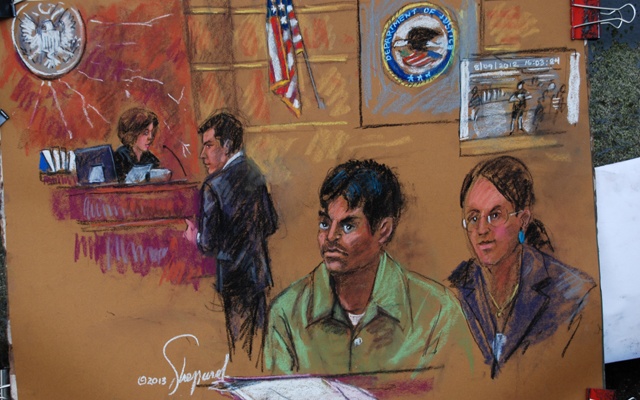

Continue reading “Fed Reserve Arrest: “I spent all my savings to send him to America””
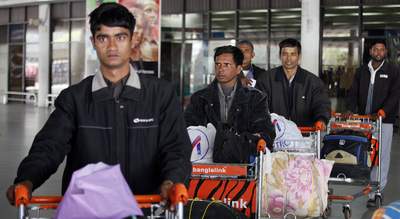
AlaloDulal first reported the coming crisis with UAE visas on August 27th. We wished we had been wrong, but today’s report confirms the ban has officially started. Congratulations to AL government for successfully botching this issue, as they destroy everything they touch.
Authorities in the UAE have stopped issuing all kinds of entry permits for Bangladeshi passport holders because of security concerns over identification and fake documents, the gulfnews reports. Continue reading “Remittance Crisis: UAE halts Bangladesh visas”
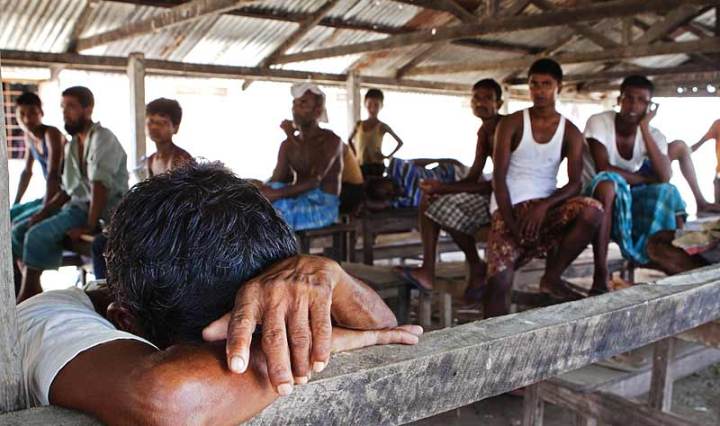
Continue reading “India-Bangladesh: “Maps Can’t Redraw The Truth””
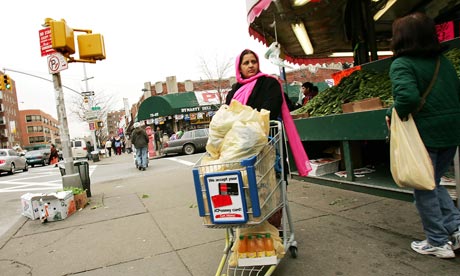
“More than half of the respondents make less than the minimum wage of $7.25 per hour, 83% in the case of retail employees. The huge majority (95%) doesn’t have any type of health insurance, and only one fifth of them gets paid for sick days (when almost half of New Yorkers do, in comparison).” Continue reading “The basement people”
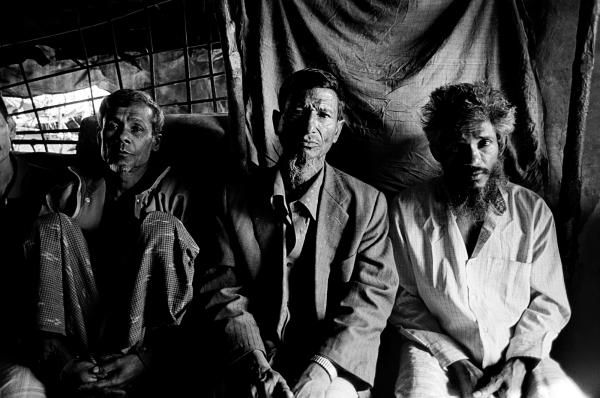
[Image: Greg Constantine, Pulitzer Center]
It was 1978 or 1979, Weekly Bichitra made a cover story titled, “ Manush Aite achhe – naaf nodeer baner lahan” (People are coming in like flood on Naaf River). All on a sudden, a group of people living in northwest Burmese Arakan region and who happen to be of Bengali ethnic lineage and Muslim in faith, started leaving their homeland of several dozen to several hundred years and cross the border to enter Bangladesh in utter desperation. They came by boats, sampans, makeshift banana trunk vessels (vela) – some came on foot through impenetrable mountain forest. They all were escaping the atrocities of operation Nagamin of Burmese army.
Burmese government was suspicious of what they believed as collusion between Arakan communist party and secessionist thought of Arakanese Muslims. Starting on April 1978, refugees started pouring into Cox’s Bazaar, Teknaf and Chittagong Hill tract areas and by June, over 200,000 Bengali Muslim descendent inhabitants of Burmese region of Arakan, who call themselves Rohingyas, started living in 13 camps set up along Bangladesh Myanmar border. Of the 210,000 souls, more than half (over 110,000) were children between 1 to 15 years of age and there was absolutely no obstruction from Bangladesh side in letting them in. Large enclosed living quarters were built overnight. Refugees were kept in those fenced out camps, a high level government official ran the program from the ground and a national coordination council led by Cabinet Secretary led the national and global efforts.
The head of the state was personally involved in every minor detail of the planning and execution of the program. And thanks to personal influence of President Ziaur Rahman on Burmese leader Ne Win, very robust stand by Bangladesh foreign office and smart diplomacy by the foreign Minister Professor Shamsul Huq, Burmese government took all the refugees back within less than a year. In July 1978, two months into the refugee problem, an agreement was signed between Bangladesh and Burma. The first batch of 58 refugees was repatriated in August 1978 and the repatriation of last stranded batch (who did not have any document supporting their residence in Burma) was completed by December 1979. Senior Burmese Ministers visited the camps to supervise the repatriation process, which they called ‘the Hintha project’.
Continue reading “REFUGEE: Alaol’s unfortunate Children”

KHONDOKAR: স্বাধীন দেশের নাগরিক !!! আমাদের অনেক অর্জন !! আমরা যারা বিদেশ থাকি, মনে হয় এতিম বাচ্চা আমরা, যাদের পৃথিবীতে কেহ নাই. রাজনীতিবিদদের মত ভন্ড আর কেহ নাই
গরিব দেশের লোক বলে এই শ্রমিকদের কোনো সম্মান নাই

ছেলের জন্য অপেক্ষার পালা আর ফুরোল না মায়ের: নিহত আবু তাহেরের ছবি হাতে মা সাবেদা খাতুন
Continue reading “Bahrain: died like dogs in a foreign land”
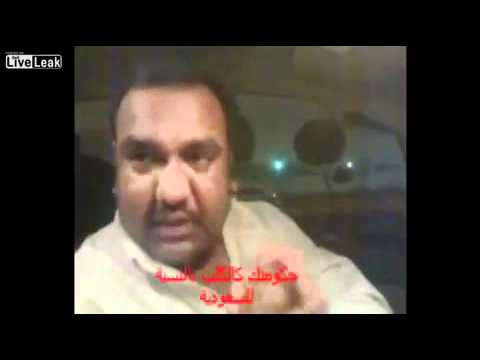
We have been sent this video, which allegedly shows a Saudi man humiliating a Bangladeshi driver. We are posting it because we want to know the truth. Our collective Arabic skills do not amount to much. If you can translate … Continue reading Video – Saudi Humiliating Bangladeshi Driver
The Asian American Federation found that 53.9 % of Bangladeshis living in Brooklyn are poor – the highest rate among the city’s eight largest Asian immigrant groups. The poverty rates for Bangladeshis was nearly double the numbers for blacks, whites, … Continue reading Poverty in America
 আলাল ও দুলাল | ALAL O DULAL
