
Bhallage Na (can’t stand it)
Can’t stand anything, always feel alone.
Continue reading Bhallage Na (can’t stand it)
Can’t stand anything, always feel alone.
Continue reading Bhallage Na (can’t stand it)
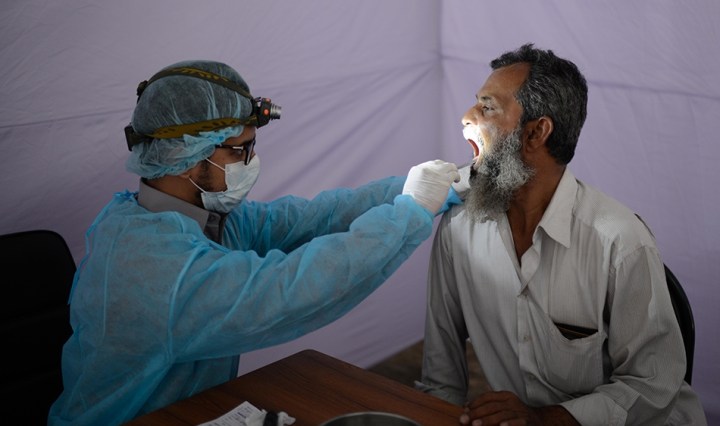
Khurram Husain [Dawn (Pakistan)] says economist Mushfiq Mobarak and Zachary Barnett-Howell, in their paper “Poor Countries need to think twice” are valuing #Pakistani lives less than American lives because their paper uses VSL. Hussain states: “It begins by asking whether “shuttering … Continue reading Social Distancing in Poor Countries: A Debate
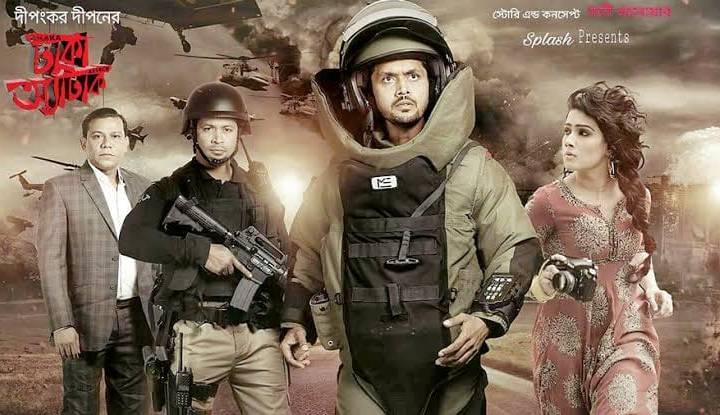
The Bangla response to Netflix’s EXTRACTION is predictable; we surmise the outraged viewers from Dhaka have helped propel the film to #1 on Netflix. Towheed Feroze‘s complaint is, ahem, accuracy: “The police are seen driving Indian-made Hyundai cars; our police does … Continue reading EXTRACTION: Hullaballoo in a Orientalist Orchard

As migrant labourers from different parts of India trekked back hundreds of kilometres carrying their scanty belongings and dragging their hungry and thirsty children in the scorching heat of the plains of India to reach home in central or eastern … Continue reading Borders of an Epidemic
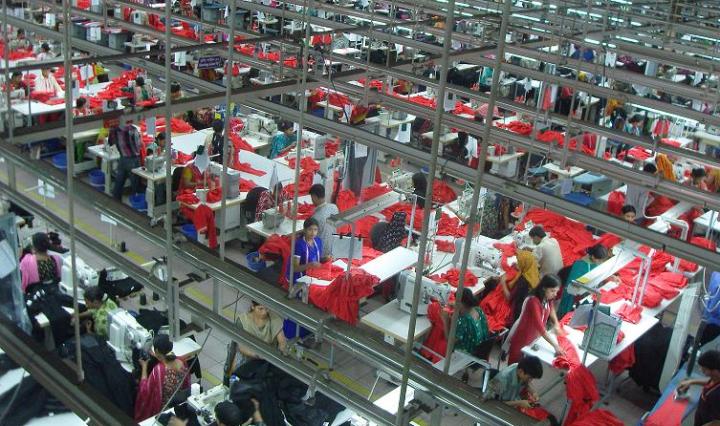
Brands Must Behave Fairly Syed Nasim Manzoor The second leading sector of Bangladesh’s exports is leather, footwear and leather goods. The largest markets for these products are Germany, Italy, France, Western Europe, USA and Japan. But under the influence of … Continue reading Nasim Manzoor: Western Brands Must Behave Fairly
Marina Tabassum on Bashirul Haq If I have been able to become an architect it is by standing on the shoulders of a few giants. Bashirul Haq is one of them. I saw Bashir bhai for the last time at … Continue reading Bashirul Haq (1942-2020): Marina Tabassum & Naila Khan remember

“Adieu, Architect” –Adnan Morshed Khan [EXCERPT] …Bashirul Haq was fortunate to find a mentor in Fazlur Rahman Khan (popularly known as F.R. Khan), a fellow countryman, partner of the famed Chicago-based architectural/engineering firm Skidmore, Owings & Merrill (SOM), and structural … Continue reading Bashirul Haq (1942-2020)

From: Bina D’CostaSome useful reports and camp management documents, case management questionnaires that may be of interest to you. Camp Management in COVID_IOM CARE Gendered Implications of COVID-19 – Executive Summary CARE Gendered Implications of COVID-19 – Full Paper Case-management-and … Continue reading COVID-19: Gender, Children, Refugees

Abu Ahasan …The immigration police recently began stamping returnees on their hands for home quarantine. Police marked the houses of the Italy-returnees with red flags. Journalists and social media ran sensational stories of ignorant, selfish, and unruly returnees, refusing to … Continue reading Bio-politics of COVID-19
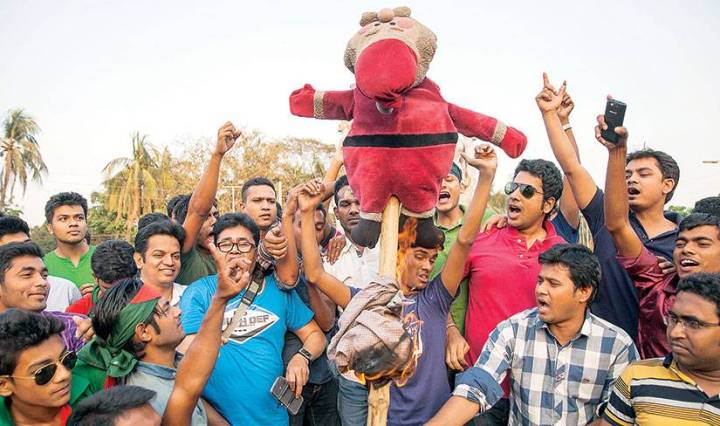
Get me fact check! That’s no “teddy bear,” that’s Santa Slaus!
Continue reading “HNK # 1: Who killed Santa Claus? (Bert is Evil)”


জিয়া হাসান: “আজকে যদি এই রাষ্ট্রে একটা মানবিক এবং নৈতিক সরকার থাকতো, তবে তার দায়িত্ব হতো, তোবা গ্রুপের সকল ডাইরেক্টরদের স্থায়ী অস্থায়ী সকল ধরনের সম্পদ এবং মেশিন বিক্রয় করে, এই গ্রুপের শ্রমিকদের বেতন পরিশোধ করা।”
Continue reading “Do they know it’s Eid Mobarak?”
by Sayeed Jubary, translated by Khujeci Tomai for AlalODulal.org
1.
In the Bengal of Do-As-You-Please
In Mohammed’s Bengal
No space for Rajakars
In Karl Marx’s Bengal
No space for Rajakars
In Mao Tse Tung’s Bengal
No space for Rajakars
In Gandhi’s Bengal
No space for Rajakars Continue reading “Sayeed Jubary: Post-Revolution Poems, Part 2”
1.
Prayer
What chases me is not death, but fear of death
Hiding inside its own nature
My assassin floats about
I avoid suicide and make one last prayer
Let me not die as a bystander… Continue reading “Sayeed Jubary: Post Revolution Poems, Part 1”

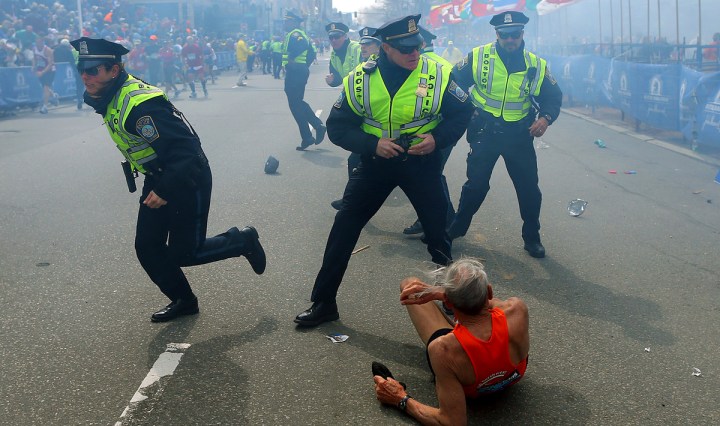

As Faruque, a Bangladeshi-origin network engineer, turned to return to his meal, one of the other men said: “Yeah, he’s a f–king Arab,” leading to a brutal pummeling that dislocated Faruque’s left shoulder and left him semiconscious. Continue reading “Hate Crimes after Boston: Bangladeshi network engineer becomes “fucking Arab””

“About 30 migrant workers, mainly Bangladeshi, have been wounded in a shooting on a strawberry farm in Greece after requesting salaries that had not been paid”
Bangladeshi migrants shot in Greece
Continue reading “Greece, Blood Strawberries, and Hate Crimes crisis”

The naming of Banani-Gulshan-Baridhara as the “Tristate area” indicated a winking nod to the American “tristate” (NY-NJ-CT), and the elite bubble nature of the B-G-B triangle.
Continue reading “Dhaka’s Tristate: Lungi War as Class War”
Minority vs Freedom of Identity
by Dr Binayak Sen/ Prothom Alo, March 9 & 11, 2013
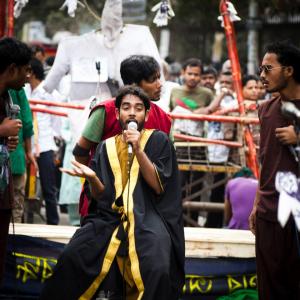
The crocodile-tear sentiment of the middle-class and liquid, emotion-filled nationalism smothered the radical face of the 1952 language movement in one way or another. That is why we need to return to history and raise this noise very loudly: just as the language movement at one time was a movement to establish our language rights, it was also ultimately a movement to fight for the rights of the country’s farmers, workers and the toiling masses.
Continue reading “Azfar Hussain: Recover the radical politics of 1952”
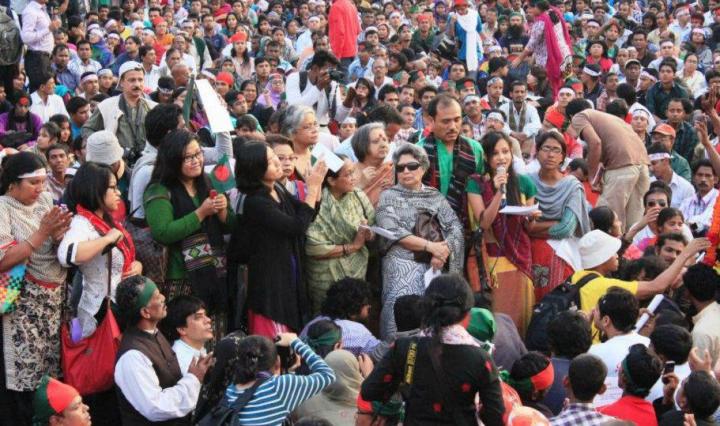

The first time I visited Shahbag, I was disturbed by a few slogans, such as, “Tumi key, ami key – Bangali, Bangali” (“Who are you, who am I – Bangali, Bangali”). I love the first part of the slogan “Tomar amar thikana, Padma Meghna Jamuna” (Your address and my address, Padma, Meghna, Jamuna – referring to the largest rivers of Bangladesh), but not being a Bengali, I am unable to chant the second half of the slogan. As an advocate of the rights of the indigenous (Adivasi) peoples of Bangladesh it is impossible not to be bothered by this slogan. Continue reading “An Adivasi speaks: What brings me to Shahbag, what pulls me back from it”

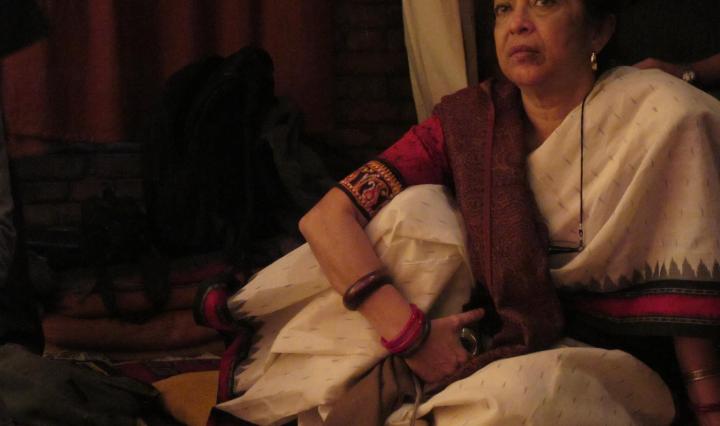
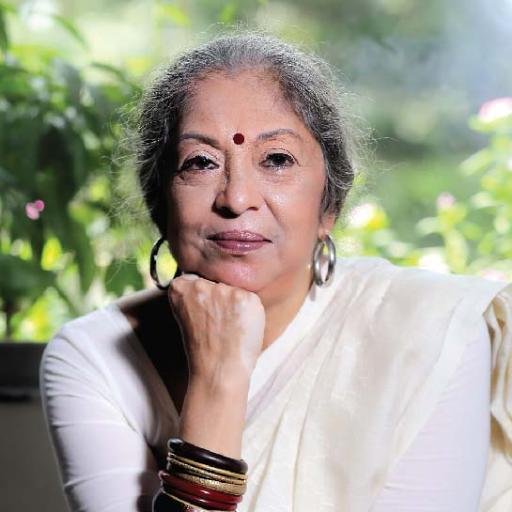
Lubna Marium participated in the 1971 liberation war by working in the Refugee Camps and later an Advance Dressing Center of Sector 7, with her mother Sultana Zaman and sister Naila Khan. Her father, Quazi Nooruzzaman, was Sector Commander of Sector 7, where her younger brother Nadeem was a muktijoddha. Continue reading “Lubna Marium on Shahbag”

Young poet Mahmud Hasan died yesterday. He was a Philosophy student at Dhaka University. At his funeral, his parents made one request of his friends: please collect all his writings and publish them, so his memory can be honored. We are publishing Mahmud’s last poem, written two days before his tragic death. Translated by Naseef Amin.
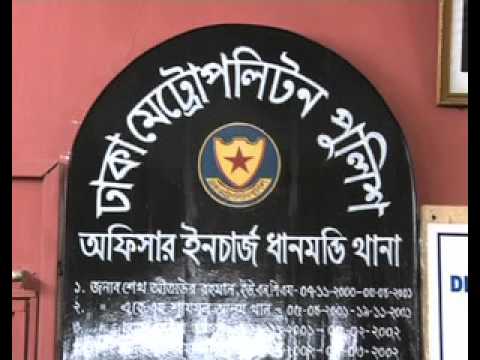
A trifecta of misogynists, always blaming the victim:
1. Extraordinarily misogynist and dangerous TV media coverage.
2. OC of a Police Station who says if the woman is having a physical relationship with boyfriend, they can’t prove rape by anyone else.
3. Video reposted on YouTube by an “activist” who calls women “bitches” (“Mushfiq Rahman Tomal who control yaba and bitches in town”)
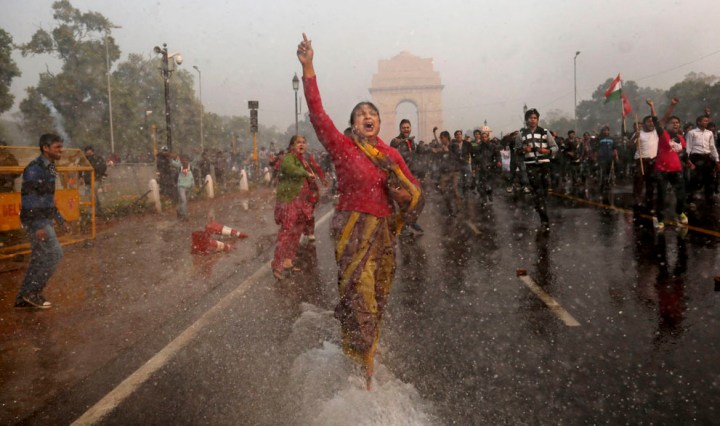
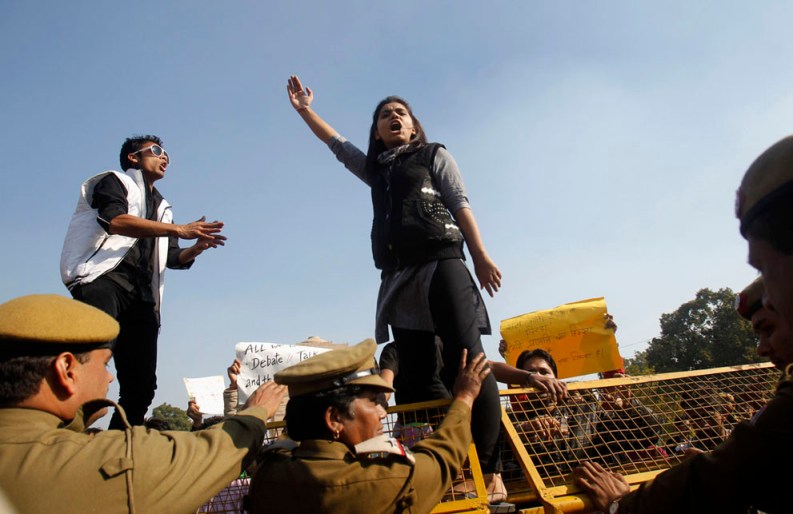
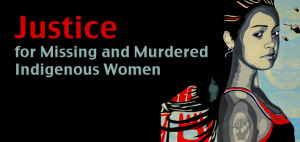
Recently two gang-rapes took place; one is in Delhi and another in Rangamati… In Rangamati case, a Marma school-girl of class-eight was gang-raped in Rangamati on December 21. Three Bengali settlers raped the fourteen-year Marma girl and killed her afterward. As rape cases, both events were similar in its forms and consequences and thereby both cases were expected to trigger serious reaction and massive protests in the society… it happened otherwise in Rangamati case which unveils the class relations of demonstration and ugly face of minority-majority politics prevalent in Bangladesh.

BRITISH BANGLADESHI POWER 100 list has been released. Problematic concept (“Power”), fuzzy categories, and bizarro inclusions (Gaffar Chowdhury!), but here it is– for blog dissection.
 1. Irene Zubaida Khan
Irene is Chancellor of University of Salford and in 2001 she was the first woman, the first Asian, and the first Muslim to guide the world’s largest human rights organization, Amnesty International as its seventh Secretary General. Continue reading “British Bangladeshi “Power 100””

When a nation loses its intellectuals, it loses its backbone.
Continue reading “When a nation loses its intellectuals, it loses its backbone.”

Dear journalist brothers and sisters,
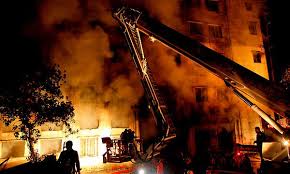
Many garment workers died on the evening of November 24th when fire broke out in Tazreen Fashions in Ashulia’s Nischintapur. The exact death toll is still unknown. According to the government, 112 workers had died but many family members were unable to identify their beloved ones as the flesh had burnt away leaving behind only charred bones and skeletons. Fifty three unidentified bodies have been buried in Jurain graveyard. But several investigative reports have concluded that the death toll is higher. Some of us have conducted preliminary research in Nischintapur’s Buripara at our own initiative, and, we too, have been forced to reach the same conclusion. The government and the BGMEA should immediately have launched a serious drive to ascertain the exact number of those who have died, but instead they displayed a callous indifference which amounts to nothing short of criminal negligence. Continue reading “Tazreen: Rokeya Bahini says BGMEA protects killers”
New York Times/December 11, 2012
American Tariffs, Bangladeshi Deaths
THE fire that killed 112 workers at a garment factory in the suburbs of Bangladesh’s capital last month was a stark reminder of the human costs of producing and consuming cheap clothes. While American officials have condemned poor safety conditions at the factory and have urged the Bangladeshi government to raise wages and improve working conditions, the United States can do much more: It should bring down high tariffs on imports from Bangladesh and other Asian countries, which put pressure on contractors there to scrimp on labor standards in order to stay competitive. Continue reading “Tazreen: American Tariffs, Bangladeshi Deaths”
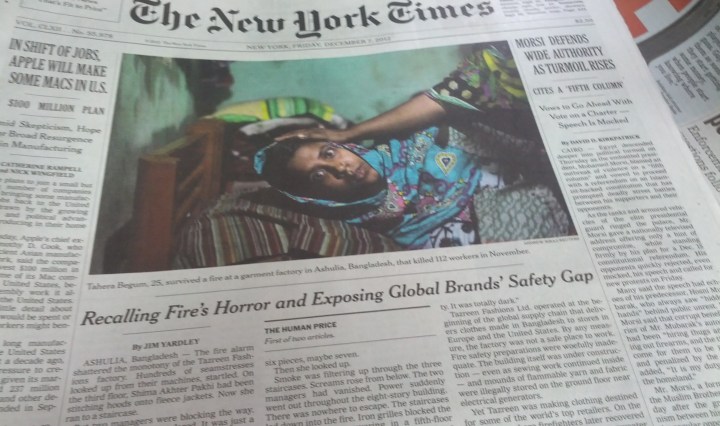
Bangladesh is on the front page of the New York Times for the third time this year. All three stories have been on the garments industry. The previous two talked of opportunities and warned of dangers and exploitation in the industry. The latest one is, of course, after the fire. Reporting by Jim Yardley and Julfikar Ali Manik, photographs by Andrew Biraj and Khaled Hasan.
Continue reading “Tazreen: New York Times front page, again”
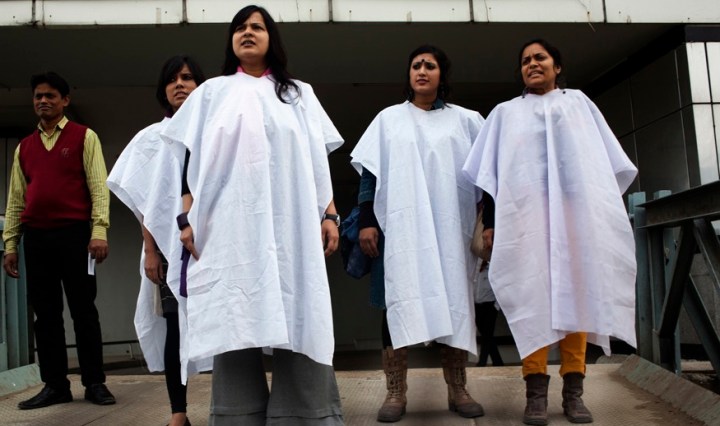
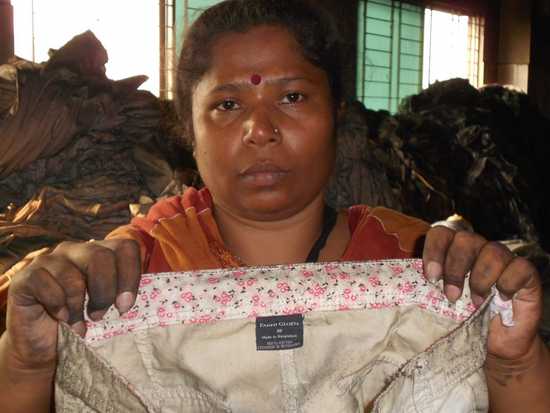
Oh WalMart, NOW you developed a conscience? You ran to Bangladesh for the cheapest possible labor, to keep your profit margins intact in a recession. But now you want to wash your hands clean? Also, Labor activists find burnt clothes, it was a killer bargain and the WalMart factor won’t go away.
Continue reading “Bangladesh: Burning in the Fire of Greed”

The Hay Festival controversy picks up speed as protesters demand “Prime Minister’s intervention to refrain Bangla Academy from being the host of the Hay Festival on the academy premises, resignation of Bangla Academy director general Shamuzzaman Khan and bringing charges of anti-state activities.”
The following chronology is compiled from various blog and facebook posts.
1. Somewherein blog by Tokon Thakur on who are the corporate sponsors of Hay, why this English matbori, anointment of elites. He singles out “Kaziputro” (son of Kazi, a reference to author K. Anis Ahmed) and “Anamkonya” (daughter of Anam, a reference to Tahmima Anam). Kazi & Kazi Tea and Daily Star are two of the sponsors of Hay. K. Anis released Goodnight Mr Kissinger, right before Hay, and Tahmima Anam released The Good Muslim earlier this year.


Barbershop in Queens, New York (Photo: Nina Porzucki)
Once a month Zain Ahmed treks from the Upper East Side of Manhattan to a windowless basement shop in Jackson Heights, Queens, just to get his haircut. “I take 3 or 4 trains just to get here,” says Ahmed. “That’s dedication, right?”
Continue reading “Language Holding Back New York’s Bengali Voters?”

Bangladeshi-American Sal Khan on cover of Forbes magazine.

From K-Prime bio: These days in hip-hop when you hear the word Bangladesh you expect to hear the ever-present “a milli” beat following. However, to hip-hop’s newest recruit, K-Prime, Bangladesh is more than a producer’s signature drop, it’s his birth country. Moving from Dhaka to the Borough of Queens, New York at age three, Prime, who was born Anik Khan, was immediately introduced to music and politics by his father who was a poet and a political representative in his home country.
Continue reading “K-Prime: Dark Nights | Bright Dreams”

Or, something else altogether?…It is a gratuitous and simplistic binary, but we could not help notice that the same week that amateur terrorist Nafis’ photo was plastered on a shrill and scaremongering media (with the words “Bangladeshi” attached to an escalating fear narrative), the other face of Bangladeshi youth in New York is The Cosmics’ brand new video.
I am a Buddhist today
by Kazi Khaleed Ashraf
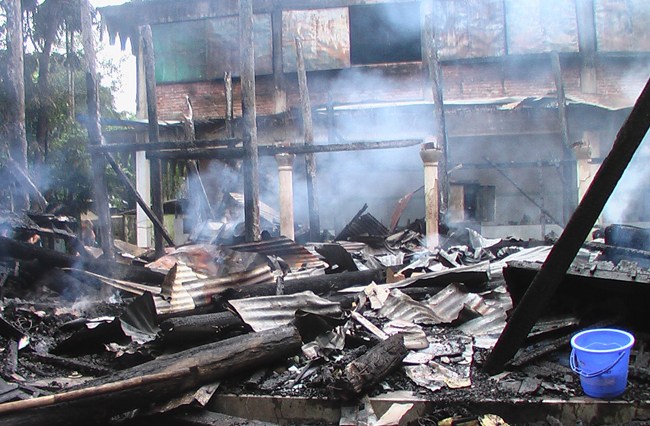
Cowards come in two forms, those who move under the cover of the night, and those who take refuge in the brute might of the mob. And when the two combine, cowards can become hyenas. Since that dreadful night, when for six shameful hours, the state remained invisible, protectors stood by quietly, neighbors became fiends, and only few were brave to face the hyenas, I can no longer be myself.
Continue reading “I am a Buddhist today”
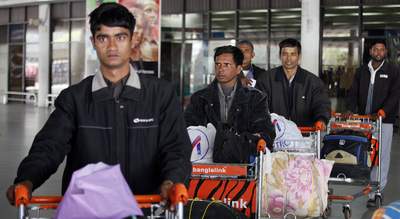
AlaloDulal first reported the coming crisis with UAE visas on August 27th. We wished we had been wrong, but today’s report confirms the ban has officially started. Congratulations to AL government for successfully botching this issue, as they destroy everything they touch.
Authorities in the UAE have stopped issuing all kinds of entry permits for Bangladeshi passport holders because of security concerns over identification and fake documents, the gulfnews reports. Continue reading “Remittance Crisis: UAE halts Bangladesh visas”
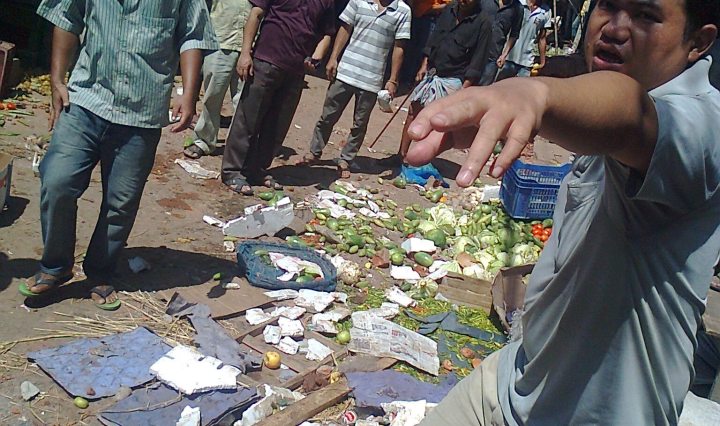
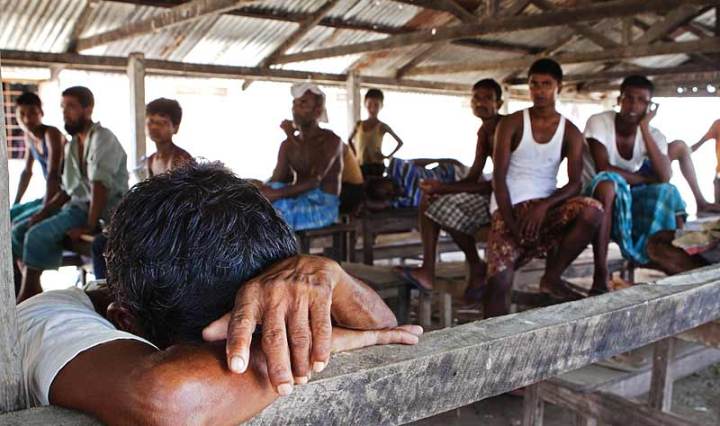
Continue reading “India-Bangladesh: “Maps Can’t Redraw The Truth””
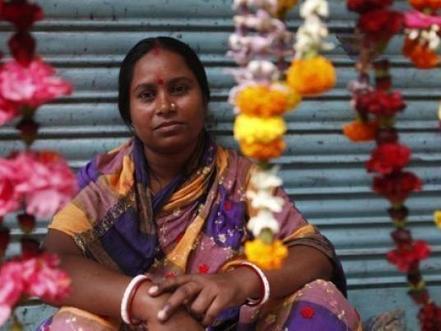
Right wing politics from male-chauvinist, patriarchal “guardians” of Bangladesh’s Hindu community.
‘Don’t make Hindu marriage registration a must’
Fri, Aug 24th, 2012/Bdnews24.com
Dhaka, Aug 24 (bdnews24.com)—A platform of Hindu minority on Friday threatened to foil the government move to make Hindu marriage registration mandatory. Advocate Ashok Kumar Ghosh, General Secretary of Bangladesh Minority Sangram Parishad that opposes the reformation in the Hindu Family Law, issued the threat from a human-chain protest in front of the National Press Club. The Supreme Court lawyer termed the initiative ‘an insult to Hindu rules and family tradition’ and asked the government not to make the new law. “We strongly oppose the reformation in the name of women empowerment by violating the sacred religious precept and manner. We’ll wage a mass movement if the government does not refrain from formulating such law,” he added.
Parishad President Ashok Taru, Organising Secretary S K Badal and Dhaka metropolitan unit President Pintu Mitra also spoke at the programme, among others.
Continue reading “Bangladesh’s Hindu Women Fight for Divorce Rights”
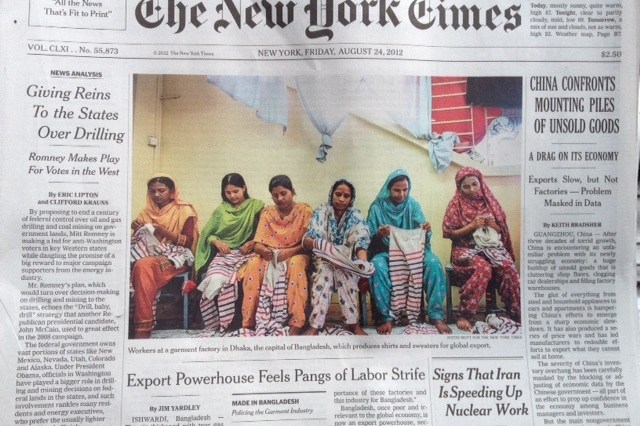

Remembering Mowla Boksh
Text, Image, & Video by Zaid Islam
Mowla Boksh, a legend of the Lalon Phokir gharana, breathed his last on 16 August 2012. May the Lord rest him in peace.
We don’t realise what we got until it’s gone. Mowla’s departure reminded me of this once again. I started remembering his unique craziness, his humour, his incomparable style of musical mastery, and how passionately he was constantly celebrating every moment.
I started to miss him.

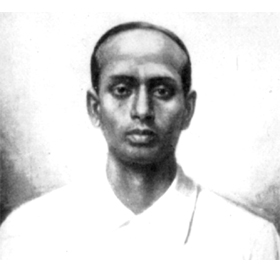
(aka when surjo shen became surya sen) Looking forward to Bedabrata Pain’s film, but one khotka… according to the film’s trailer, the legendary anti-British rebellion of Chittagong is staged in Hindi, not Bangla… Continue reading Chittagong, in Hindi? (when Surjo Shen became Surya Sen)
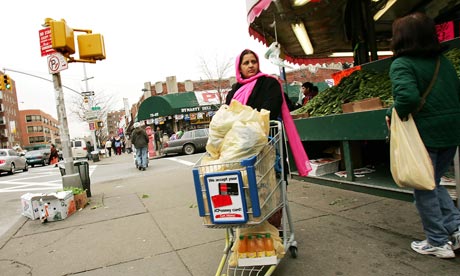
“More than half of the respondents make less than the minimum wage of $7.25 per hour, 83% in the case of retail employees. The huge majority (95%) doesn’t have any type of health insurance, and only one fifth of them gets paid for sick days (when almost half of New Yorkers do, in comparison).” Continue reading “The basement people”

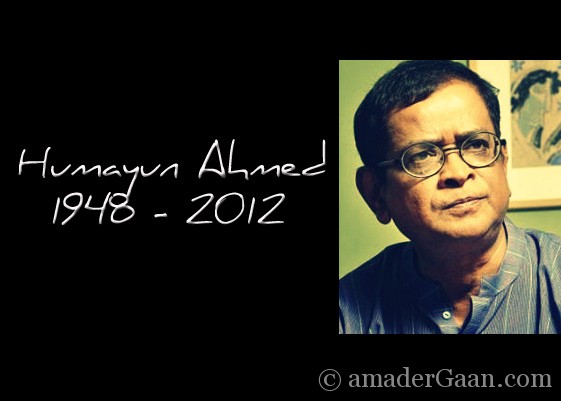
Contrarian Thoughts on Humayun Ahmed
– by Bookworm Blogger
So Humayun Ahmed finally died a few days ago. Not unexpected really, considering his advanced age and his prolonged battle with cancer. You don’t really win fights like those in the end. He didn’t either.
I got the news as I was sitting in the bus, going to the mall. Facebook feeds on the mobile, of course, what else. All in all – and it’s now been several days, so my reactions have had time to settle – I find myself almost entirely unmoved by this event. Except perhaps for a brief moment of heaviness just after I heard the news. After all, this IS Humayun Ahmed. THE name to contend with in modern Bangladeshi fiction.
Sure, he was a very talented writer. Yet my enduring memories of reading Humayun are few and far between. In total, I can’t say that I read more than 12-15 of his books – and the last one was a good 20 years ago. Perhaps because towards the end – and for me, that would be 1992-93 – the crap content was so high that I felt there were far better uses of my time than reading the ramblings of some loser kid in a yellow punjabi or whatever the latest fad was that the Humayun word-machine was churning out to keep greedy publishers and childish readers happy. Continue reading “Contrarian Thoughts on Humayun Ahmed”
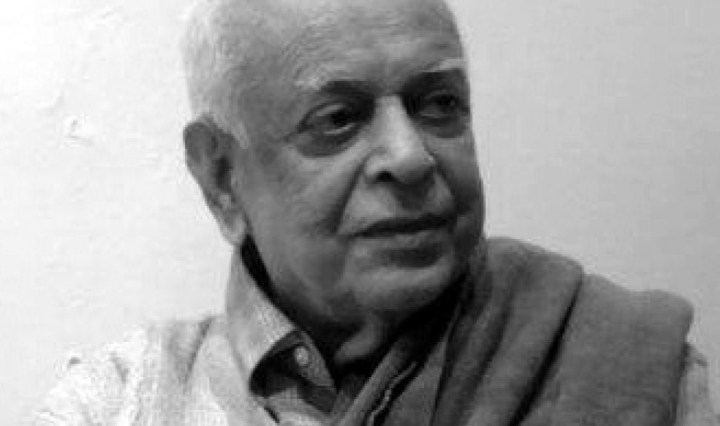
Islam’s major works include Jahangirnagar University, Chittagong University, Central Public Library, Charukala Institute, Azimpur Estate, Joypurhat Housing, Rangamati township and a number of Polytechnic Institutes. Continue reading “OBIT: Mazharul Islam (1923-2012)”
Received by email from Mahmudul Sumon, Dept of Anthropology, Jahangirnagar University.
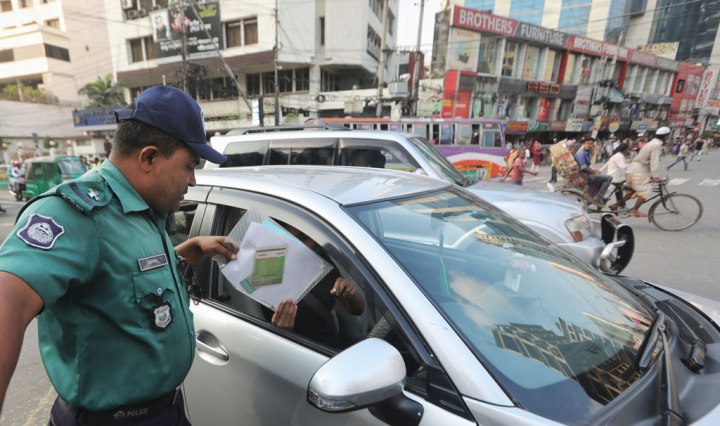
Conversation between a traffic police and a public in Dhaka (2012)
Police says: this car is parked illegally …you are fined
Public says: (the care owner) But where is it written that this is a no parking zone (also indicates that a ministry car was just parked here; you didn’t say anything to that car) Continue reading “I am my own guardian”

KHONDOKAR: স্বাধীন দেশের নাগরিক !!! আমাদের অনেক অর্জন !! আমরা যারা বিদেশ থাকি, মনে হয় এতিম বাচ্চা আমরা, যাদের পৃথিবীতে কেহ নাই. রাজনীতিবিদদের মত ভন্ড আর কেহ নাই
গরিব দেশের লোক বলে এই শ্রমিকদের কোনো সম্মান নাই

ছেলের জন্য অপেক্ষার পালা আর ফুরোল না মায়ের: নিহত আবু তাহেরের ছবি হাতে মা সাবেদা খাতুন
Continue reading “Bahrain: died like dogs in a foreign land”
….:::::একটি হিন্দি সিরিয়ালের কাল্পনিক দৃশ্যের চিত্রনাট্য::::::…….
ছেলে:: আমি তোমাকে ভালবাসি
[১০টা অবস্থান থেকে এই দৃশ্যটা দেখানো হবে।]
[মেয়ের টাশকি খাওয়া মুখ দেখাবে ১২টা অবস্থান থেকে]
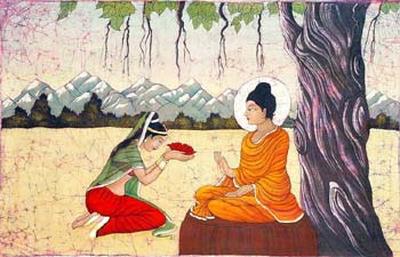
The Waste Land of May
by Prashanta Tripura
(With apologies to T. S. Eliot)
April is no longer the cruelest month, at least
Not for me,
Not in the hills of Chittagong
Where May is the new month of maximum cruelty, mixing
Memories of despair and desolation,
And desires for freedom and liberty, breeding
Hatred out of the scorched land, stirring
Deep roots of sorrow, pain and longing.
Continue reading “The Waste Land of May”
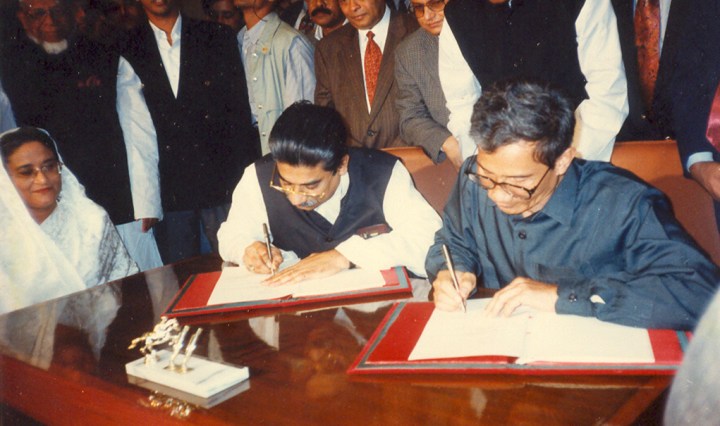

প্রথমেই পার্বত্যচুক্তি বাস্তবায়ন কমিটির আহ্বায়ক সংসদ উপনেতা সৈয়দা সাজেদা চেৌধুরীর পার্বত্যচুক্তি বাস্তবায়ন নিয়ে দেড় বছরের ব্যবধানে দুইটি বক্তব্য :
১. পার্বত্যচুক্তি বাস্তবায়নের আলোচনা একদম শেষ পর্যায়ে। এ নিয়ে অনেক আলোচনা হয়েছে। এবার আমরা ফলাফল চাই। (সূত্র: প্রথম আলো, শেষ পৃষ্ঠা, ২৭ ডিসেম্বর ২০১০ ইং, স্থান : খাগড়াছড়ি)
২. সরকার ত্ত জনসংহতি সমিতির (জেএসএস) মথ্যে চুক্তি বাস্তবায়নের বিষয়ে কোনো মতভিন্নতা নেই। আমরা একই লক্ষ্যে পেৎৌছাতে চাই।সেই উদ্দেশ্যে আলাপ-আলোচনার মাধ্যমে আমরা একেবারে শেষ পর্যায়ে পেৎৌছে গেছি। (সূত্র: প্রথম আলো, তৃতীয় পৃষ্ঠা, ২৯ মে ২০১২ইং, স্থান: ঢাকা) Continue reading “CHT Peace Accord: waiting and still waiting”
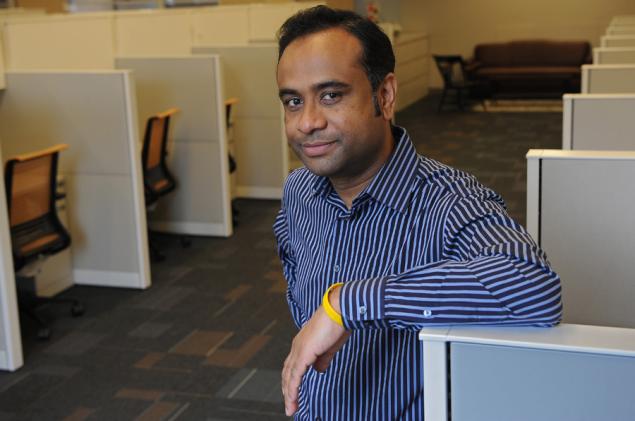
The Asian American Federation found that 53.9 % of Bangladeshis living in Brooklyn are poor – the highest rate among the city’s eight largest Asian immigrant groups. The poverty rates for Bangladeshis was nearly double the numbers for blacks, whites, … Continue reading Poverty in America

 আলাল ও দুলাল | ALAL O DULAL