 Sticky post
Not merely for the west
Speaking, writing, expressing in English rather than the mother tongue could be misunderstood as a way of the privileged showing off Continue reading Not merely for the west
Sticky post
Speaking, writing, expressing in English rather than the mother tongue could be misunderstood as a way of the privileged showing off Continue reading Not merely for the west

by Tibra Ali I had a wonderful time listening to classic bluesy songs at an international club in Gulshan the other night but it didn’t start off on the right foot… I was waiting for friends in front of the … Continue reading This Post is About Racism

by Nusrat S Chowdhury[Originally published in American Ethnologist website, 19 October 2020] Secret sociality now carries a whiff of resistance. Before Covid-19 had fundamentally reorganized the world in which they lived, they were young, able-bodied men. You’d spot them selling … Continue reading A Storm in a Teacup

To: Organizers of the “Becoming Bangladesh” panelLSE South Asia Centre February 8, 2021 A response to “Becoming Bangladesh” (138 SIGNATORIES as of February 10th) It has recently come to our attention that you have organized a panel titled “Becoming Bangladesh” to celebrate … Continue reading A response to “Becoming Bangladesh”

Simple Social Studies: How will you conduct social research, then?Manosh Chowdhury I should take the responsibility of guiding you in how to become a ‘social researcher’, as I myself had defined it. Otherwise you may lose interest in doing social … Continue reading How will you conduct social research, then?

SIMPLE SOCIAL STUDIES: HOW DO “TRADITIONS” GET LOST? (LEARN IN A POLITICAL-ECONOMIC WAY, AND NOT IN A SENTIMENTAL WAY)– Manosh Chowdhury Today we will think about tradition, friends. When it comes to tradition, many of you are awakened to a … Continue reading How do “traditions” get lost?

Manosh Chowdhury Beauty Parlours attract me. It is not because of the pretty ladies who stay inside these parlours. But one of the terms and conditions – ` men are not allowed inside ` somehow amazes me. My wife is … Continue reading Beauty Parlour

How do you process news like this? How do you deal with this kind of knowledge? Not just any death, but the passing of the supreme idol of your childhood and teenage years? Short answer is, you don’t. You simply … Continue reading Diego: a personal obituary

Can’t stand itCan’t stand itCan’t stand anythingAlways feel alone Can’t stand itCan’t stand itCan’t stand anythingAlways feel alone Walk on straight pathBut this life is twisted Can’t stand itCan’t stand itCan’t stand anythingCan’t stand it Everyone gets me wrongThe weight … Continue reading Bhallage Na (can’t stand it)

The coronavirus pandemic is still raging in New York, the former epicenter of the United States. But seeing the protest processions across the city, there is no way to say that even a few days ago, these city dwellers were … Continue reading New York Election: Record Number of Bangladeshi Candidates

Nupur on a Broken Leg By Nasrin Khandoker (Translated for Alal O Dulal by Tibra Ali) In between the adults’ mirth there was a song from my girlhood that used to cause me great bafflement. It went something like this: … Continue reading Nasrin Khandoker: Nupur on a Broken Leg

Why the artificial conflict of life and livelihood? by Moshahida Sultana (translated from Bangla original in Prothom Alo) Corona test costs about Tk 5,000 sitting at home privately. And the cost of one month as government financial assistance has been … Continue reading Why the artificial conflict of life and livelihood?
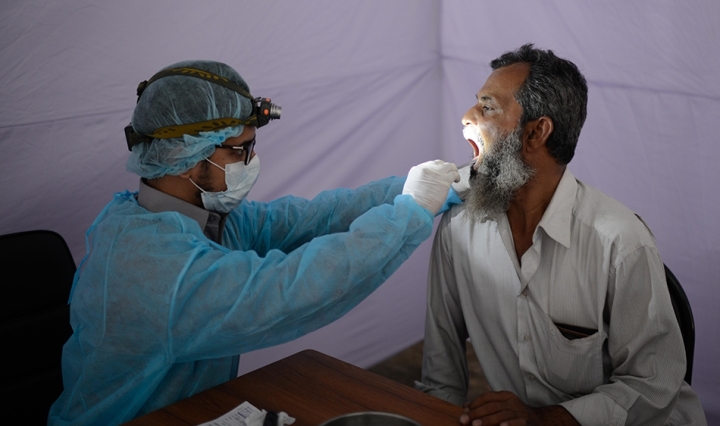
Khurram Husain [Dawn (Pakistan)] says economist Mushfiq Mobarak and Zachary Barnett-Howell, in their paper “Poor Countries need to think twice” are valuing #Pakistani lives less than American lives because their paper uses VSL. Hussain states: “It begins by asking whether “shuttering … Continue reading Social Distancing in Poor Countries: A Debate
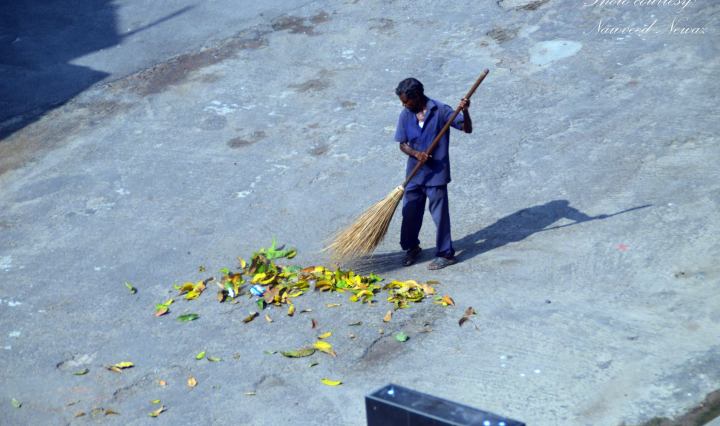
Kazi JesinI wanted to tell youI too have a dreama soft pillowa open windowa glaring paddy fieldpalm trees swinging in the windbut I had no words.You gave me blue polythene —a forbidden house on the footpath. Under the blue lightsmy … Continue reading Words are not more valuable than bread

The Bangla response to Netflix’s EXTRACTION is predictable; we surmise the outraged viewers from Dhaka have helped propel the film to #1 on Netflix. Towheed Feroze‘s complaint is, ahem, accuracy: “The police are seen driving Indian-made Hyundai cars; our police does … Continue reading EXTRACTION: Hullaballoo in a Orientalist Orchard

1. Worker Diaries Money Diary: A 25-Year-Old Garment Worker In Bangladesh On 1k 2.Wage Digitization [Excerpt] According to a recent report on wage digitization in the ready-made garment (RMG) sector in Bangladesh, about 1 million workers are now receiving their … Continue reading Garment Worker Diaries, Digitization, Pay Gap

(Reprinted from Foreign Policy magazine where it was posted on 10 April.)
In response to the coronavirus pandemic, varying levels of social distancing have been implemented around the world, including in China, Europe, and much of the United States. Hundreds of millions of people have accepted dramatic disruptions to their daily lives and substantial economic losses based on the reasoning that slowing the spread of the coronavirus can keep health care systems from becoming overwhelmed. Continue reading “Poor Countries Need to Think Twice About Social Distancing”

As migrant labourers from different parts of India trekked back hundreds of kilometres carrying their scanty belongings and dragging their hungry and thirsty children in the scorching heat of the plains of India to reach home in central or eastern … Continue reading Borders of an Epidemic

Brands Must Behave Fairly Syed Nasim Manzoor The second leading sector of Bangladesh’s exports is leather, footwear and leather goods. The largest markets for these products are Germany, Italy, France, Western Europe, USA and Japan. But under the influence of … Continue reading Nasim Manzoor: Western Brands Must Behave Fairly

Marina Tabassum on Bashirul Haq If I have been able to become an architect it is by standing on the shoulders of a few giants. Bashirul Haq is one of them. I saw Bashir bhai for the last time at … Continue reading Bashirul Haq (1942-2020): Marina Tabassum & Naila Khan remember
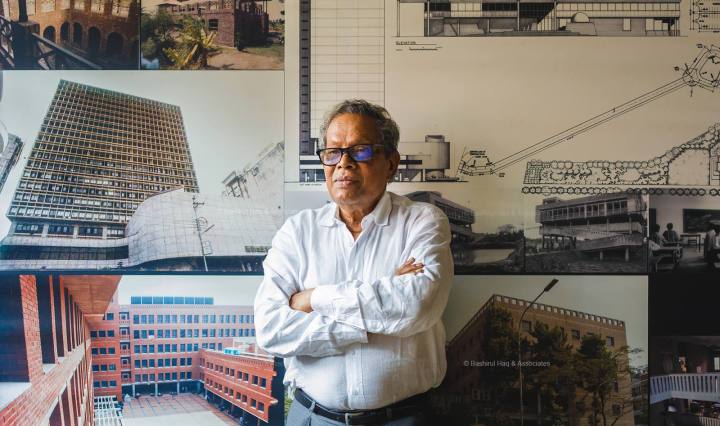
“Adieu, Architect” –Adnan Morshed Khan [EXCERPT] …Bashirul Haq was fortunate to find a mentor in Fazlur Rahman Khan (popularly known as F.R. Khan), a fellow countryman, partner of the famed Chicago-based architectural/engineering firm Skidmore, Owings & Merrill (SOM), and structural … Continue reading Bashirul Haq (1942-2020)

From: Bina D’CostaSome useful reports and camp management documents, case management questionnaires that may be of interest to you. Camp Management in COVID_IOM CARE Gendered Implications of COVID-19 – Executive Summary CARE Gendered Implications of COVID-19 – Full Paper Case-management-and … Continue reading COVID-19: Gender, Children, Refugees

By Manosh Chowdhury, translated by AlaloDulal I would annoy everyone, if I say we do not care much about the corona virus. I do not seek to belittle feelings of a bunch of aristocrats. As of myself, even dying of … Continue reading Corona Awareness: Cunning Alternative to Justice

Abu Ahasan …The immigration police recently began stamping returnees on their hands for home quarantine. Police marked the houses of the Italy-returnees with red flags. Journalists and social media ran sensational stories of ignorant, selfish, and unruly returnees, refusing to … Continue reading Bio-politics of COVID-19
Dr Sil invented a similar kit for detecting the SARS coronavirus while working in Singapore during the outbreak of the respiratory disease in 2003. Continue reading Bangladeshi scientists invent $3 COVID test

Bangla original by Keto Bhai English Translation by Alal O Dulal Hey Duffer, what’s your problem? All this time you begged for time off. Now you got it, the holiday But still on the street, loafing around time waste. I … Continue reading Hey Gedu, Stay Home

REUTERS/Mohammad Ponir HossainIndia’s WIRE magazine has published a timeline compiled by Alal O Dulal collective. The Sources are: The Rohingyas: Inside Myanmar’s Hidden Genocide (Hurst), Exiled to Nowhere: Burma’s Rohingya (Nowhere People), Human Rights Watch, United Nations, Global Center for the … Continue reading Rohingya Timeline (1784-2017)

Syed Jamil Ahmed’s first play in two decades, RIZWAN, opened on September 01 at Shilpakala Academy (closes Sep 10). The play, based on an English poem about Kashmir, is experimental, raucous, jubilant, and always challenging the material limits of a stage. The audiences have responded with hunger, Shilpakala has been running sold out shows. Responses have ranged from enthusiasm by those already used to experimental fare from Prachyanat, Bot Tola, and others, to the nervous responses of an old guard still not able to embrace radical theater for a new Bengal.

Agha Shahid Ali (Source: Academy of American Poets)
Debates about RIZWAN range widely, but few audience members have been curious about the source material- Agha Shahid Ali’s poem on Kashmir, THE COUNTRY WITHOUT A POST OFFICE. Ali’s 1997 poem is a landmark of Indian-American/Indian diaspora poetry. Considering the popularity of the play, paired with the experimental opacity of the on-stage dialogue, we present here the original poem, preceded by a sparkling new translation done by Azfar Hussain.
Continue reading “Agha Shahid Ali by Azfar Hussain”
by Faruk Wasif
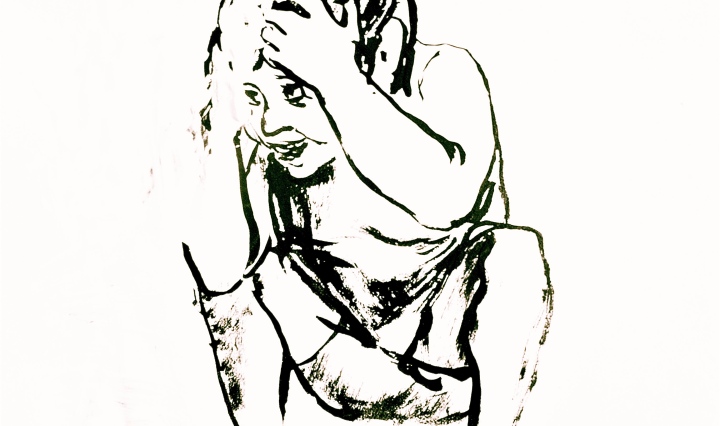
In the name of non-standardising, a luminous (yet stupid) collective wishes to drag Bengali down to a demotic vernacular. However, to remove inherent, traditionalist inflexibility within the language, all dialects – from Tagore to Abbasuddin, from Calcutta to Sylhet – should be used profusely; so that, the real (or main) parts of the language (and its literature) can include tongues of all Bengalis. Continue reading “Neo-Bangladeshi Collective”

During an unprecedented attack like the one at Holey Artisan Bakery, crisis management is of utmost priority. Looking back, security forces did well to set up cordons to keep at bay meddlesome reporters. The subsequent media blackout, though late, was a good call and could feature in a standard operating procedure. In comparison with regional incidents, commandoes acted with reasonable urgency. However, medical evacuation appeared poorly managed and if not for the proximity of United Hospital, more lives may have been lost.

By Nadine S. Murshid
As we mourn, we must realize that the fight ahead of us is a difficult one, but one that must be won. Without mass-surveillance. Without impinging on freedoms. Without help from international bodies with vested interests. Without police brutality.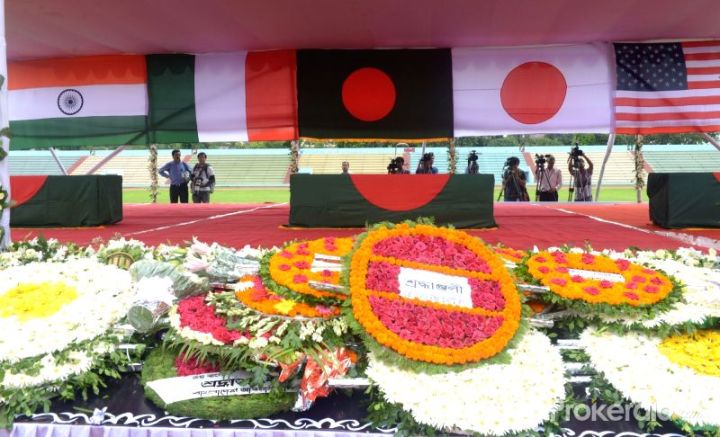
Continue reading “Untangling horror”

By Tibra Ali
The Bangladeshi psyche is a moral and political waste land today. In this dizzying and disorienting kaleidoscope of decay, one name shines more brightly than anyone else today: Faraaz. Continue reading “Staying Back”
by Sabhanaz Rashid Diya
I have been playing the narrative repeatedly inside my mind. Many have written to me asking what can we collectively do. What makes a boy pick up a gun instead of protecting his friends when facing death? I am not a parent, but I can tell from my experiences while still gathering my thoughts. Continue reading “Drishtipat saved me from brainwashing”

by Firoz Ahmed, translated from Bengali
Bangladesh has not seen this type of ferocious attack and killing of innocent people before. We express our deepest sympathy to the families of the victims, although no amount of consolation can soothe them. Our thoughts are also for the injured and terrified. Everyone in the country is feeling the anxiety and uncertainty. Continue reading “Holding the Economy to Ransom”


By Adnan R Amin
So, a night of absolute terror preceded the glorified Night of Power this Ramadan. And it has left Dhaka in a stupor; in a dazed state of disbelief and heartbreak. There is talk of vengeance in the air; and there is the call to patience. There are defenses of creed and vilification of entire traditions. Continue reading “No Righteousness Without Mercy”
By Fardin Hasin for AlalODulal
In March 2016, a girl was brutally raped and murdered inside Comilla Cantonment. The crime was surrounded by a lot of mysteries, most of which are yet to be brought to light due to the authority’s unwillingness to do any proper investigation. People were quick to react; protests sprung up in both Dhaka and Comilla along with some other places. The hashtag #JusticeForX (I will not reveal her name here for reasons I am going to explain later) spread throughout Facebook; often complemented by cover photos depicting the words ‘Justice For X’ superimposed on the victim’s picture.

By Fardin Hasin
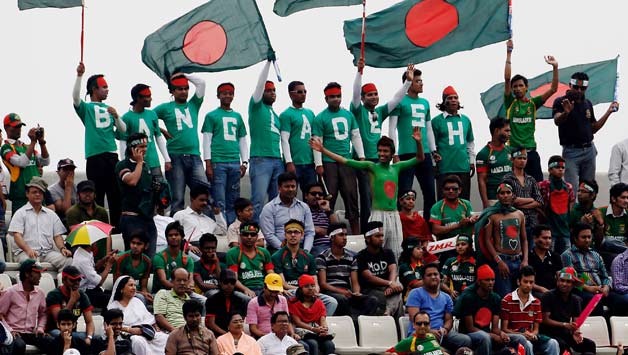
Football used to be the popular sport of Bangladesh — once. Many would remember the Abahani-Mohammedan rivalry that dominated our sports scene in the 70s and 80s. Continue reading “Rise of cricket and flutter of the flag “

(Translated by Awrup Sanyal for AlalODulal Collective)
I have heard that when he went up to receive his award he had to hear the condescending remark, ‘hope you are being able to eat rice’! Continue reading “Rafiq Azad: The Truth Had Touched Him”

[Originally in Bangla for Istishan; Translated by AlalODulal Collective]
Many countries, generally, bar construction of coal-based power plants, which cause dire environmental pollutions, within 15 to 20 kilometers of protected forests and settlements. The proposed 1320 megawatt Rampal coal-based power plant, according to the International Energy Agency’s (IEA) report, is only 14 kilometers from the Sundarbans, which is only four kilometers from the government’s designated 10 kilometers of Environmentally Critical Area — and hence, it has been claimed to be environmentally safe. Continue reading “Rampal: Project of Mass Destruction”

[Translated to English by the AlalODulal Editorial Collective]
Call-Ready — a very familiar name. In many images of Bangabandhu’s historic 7th March speech we have seen the Call-Ready logo emblazoned under the cluster of microphones. Let’s recount this untold but fascinating history of Call-Ready.

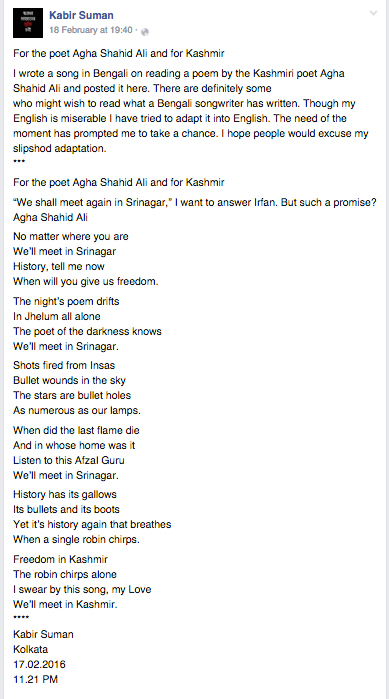

By Ahmad Ibrahim On 7 February 2016, Indian artists Ritu Sarin and Tenzing Sonam had their photographs and art installations removed from the Dhaka Art Summit taking place in Shilpakala Academy. Huffington Post (India), Indian Express, and the artist Tenzing Sonam’s … Continue reading Tibetan Artists Silenced at Dhaka Art Summit

In depicting time and places historians often argue pivotal roles of religion. Regions across the planet had been defined through advent and subsequent religious conquests. Religious (and ethnic) tensions remain omnipresent as religious unrest reverberates many parts of the world. Continue reading “A reply on the Eaton thesis”

by Awrup Sanyal
In Rubaiyat Hossain’s “Under Construction” we see an examination of the theme of ‘under construction’ as it applies to the city of Dhaka, as well as the gendered bodies of men and women:
Continue reading “FILM: About “Under Construction” and the Under Constructed”

By Zirwat Chowdhury for AlalODulal.org

[Please note that the review might reveal more than you want to know before reading the book. I would say skip it and read the book.]
Anyone interested in Bengal’s premodern to modern history – through the Delhi and Bengal Sultanates, and the Mughal rule in India, and consequently in Bengal – and more importantly the rise and spread of Islam in Bengal will have to go through this thoroughly illuminating seminal work from Eaton.

By Fardin Hasin for Alal O Dulal
The intellectual and political circles of Bangladesh have, for a long time, based their ideas and actions on or around a monolithic image of Bangladesh. Most discussions and debates have considered our ‘Bangalee’ identity as a constant, and the history of ‘Bangalees’ as linear; the other side of the story, as seen by much of the right-wing intelligentsia, seems to focus solely on our identity and history as ‘Muslims’. Both sides have a point, but we are all missing a greater part of the picture, that is, a country cannot progress in peace if it chooses to reduce all its citizens into a singular identity. Continue reading “Multiculturalism in Bangladesh: where our political and intellectual debates end”

by Kabita Chakma for AlalODulal.org.
Perhaps the spirit of Bijoy Dibosh can rekindle the hearts of millions of Bangladeshis to do what is honourable. Continue reading “#illridewithyou: Bijoy Dibos in CHT”

By Debdulal Munna, translated by AlalODulal
The name of the movie is ‘Mor Thengari’. The language is Chakma. Continue reading “First Chakma Film: Mor Thengari”

By Nasrin Siraj for Thotkata, translated by Alal O Dulal
On 25 November 2015 the court sentenced Parimal Joydhar, a teacher of Viqarunnisa Noon School, for raping a girl in Year 10.
The incident happened in 2010. The situation in our country is so bad that the school-authority had tried to protect the criminal in many ways than to take the matter – of this horrific sexual abuse – to the law. The school-authority even expressed its concerns that ‘the attitudes and dresses of girls are inviting’.


Our history is never still, and there are always processes of rewriting Bangladesh’s history. The best response to such history wars is to let the record speak, when possible. In an Alal O Dulal exclusive, we have translated a 37 page interview of Kamal Hossain (from Shaptahik magazine, 2014). This is the second part. Continue reading “Kamal Hossain Interview (Part 2)”

In the Dhaka of the 80s, there was a consensus regarding who its richest denizen was. At the rare, lavish weddings, my cousins and I would spot him, with his guards and his clan, and cower at the sight of the wealthiest man in Bangladesh. What it signified, we weren’t totally sure. My cousins could easily name his businesses in real estate, banking and construction. His creamy white Mercedes was instantly recognizable around Dhanmondi streets. In our fantasies, his children’s supposed diet of chocolates and cakes were the source of much envy. Continue reading “#RichKids in an Unlivable City”

By Fardin Hasin for Alal O Dulal
Recently, the Institute of Electrical and Electronics Engineers (IEEE) branch of one of the leading engineering universities in Bangladesh organised a seminar on cyber-physical systems. There was only one speaker — a CSE graduate from the Bangladesh University of Engineering and Technology with excellent academic record, who is also an assistant professor in a research lab in a reputed American university.
Continue reading “Why science and technology failing developing nations”

by Ahmed Badall for Alal O Dulal
[Translated by the Alal O Dulal Editorial Collective]


By Nadine Shaanta Murshid for AlalODulal.org
“Go back the many years you spent as a chai-wala and think from his perspective. Your past will determine the future. Or not.”

Nayma Qayum for Alal O Dulal
In the Dhaka of my teenage years, having a child attend an Ivy League or otherwise elite American institution was almost a rite of passage for upper middle class parents. Continue reading “Looking beyond the Ivory Tower”

A video titled ‘Language Matters’ has been making the rounds in Bangladeshi social-media circles. It explores the utility of Arabic warnings to ward off public urinators. The using of a religious misconception to prevent a social evil is clever. But what if it also reinforces and lends credence to that misconception?
Continue reading “Reinforcing Misconceptions and Uninformed Choice”
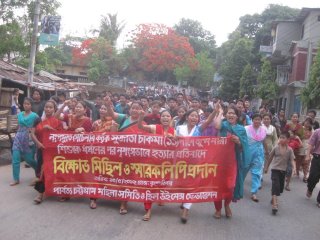

By Prashanta Tripura for AlalODulal.org
Baltimore is the latest flashpoint involving massive protests and outbreaks of violence in response to police brutality against Black youths in the US. Not too long ago, similar turns of events unfolded in other American cities as well, e.g. in Ferguson, Missouri. Continue reading “Reflections on the Idea of Race”

“The anti-colonial struggle (even keeping aside other kinds of contemporaneous struggles for the moment) might start taking many more hues beyond the tri-colour.”


How I wear my sari, what is it to you?
By Shamima Mitu, Womens Page; translated for AlalODulal.org by Zahur Ahmed Continue reading “How I wear my sari, what is it to you?”

Awrup for AlaloDulal.org
We love a public spectacle. From cricket, to decapitation, to rape. We are the perennial spectators. The public. The police. The administration. We like watching. And then we like looking away.

by Zahur Ahmed for AlalODulal
Feedback’s quintessential song for Pohela Boishak, the first day of a Bengali New Year, “Melay Jaire” has a line on the third stranza, “বখাটে ছেলের ভিড়ে ললনাদের রেহাই নাই — the crowd of ruffians won’t spare the girls”. The lyricist Maqsoodul Haque had a deep insight into our tradition, culture and attitude. What might have been overlooked as a humorous innuendo has become a sad reality during this year’s Bengali New Year celebrations, as a number of women fell victims to horrid gang assaults on broad day light amid the thousands enjoying the festivities.

“[Saki’s postion] dislodge[s] current fixed notions of “left versus religion”, “left as irrelevant to modern political and economic formations”, etc in a way that we may be reminded of earlier historical moments when Maulanas could be “RED” and when calls for redistributive justice galvanized movements for democratic rights.” Continue reading “Zonayed Saki: What could a leftist leader offer Bangladesh today?”
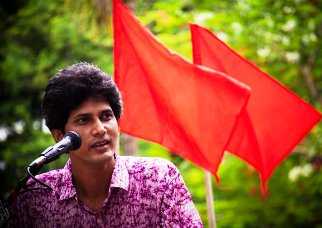

Left-leaning, progressive, middle class intellectuals and political activists have long bemoaned the lack of political alternative and the unwillingness of the leftist and bhaddarlok activists to enter the cauldron of electoral politics.
Continue reading “Zonayed Saki’s Candidacy”

“A mean and uncivilized act that insults not only the work of the young participants of the photography workshop but all the associations that are active in the neighborhood.” Continue reading ““Bangladeshis, Leave Rome” and Nazi Swastikas”

The national anthem of Bangladesh, penned by Tagore, is not exclusively sung on one side of the fence, neither is its use stringently limited for the national occasions of Bangladesh. Unlike the national anthem of most nations, Bangladesh’s national anthem has an everyday appeal in its core that keeps it alive amid the unremarkable occasions, especially in West Bengal where it does not get limited by its officialdom.
Continue reading “CULTURE: Rift between two Bengals”

Get me fact check! That’s no “teddy bear,” that’s Santa Slaus!
Continue reading “HNK # 1: Who killed Santa Claus? (Bert is Evil)”

“For several decades, the indigenous populations of North East India have claimed that their lands were coming under threat from Bangladeshi migrants, though many of them actually had identification papers from the border districts of Assam.” Continue reading “Nagaland Lynching: More Than a Protest”

বুঝলাম, টেনশনে আছি।
কিসের টেনশন ?
অনেক কিছুর।
Continue reading “Diary of Cricket Anxiety”

“At this moment of masculinist and orgasmic expressions of hatred – communal, ethnic, sexist, partisan, and national – in both real and virtual world, cricket match in World Cup 2015 has become a rallying point of neo-nationalistic tyranny. In contrast to the dominating belief, sports has never been apolitical. Sometimes it becomes a space for solidarity and protest, at other times it becomes the weapons of domination and hegemonic control.”


Continue reading “Saudi Hip-Hop: “They say Bengalis are thieves””

By Mahmood Sadat Ruhul for Alal O Dulal
“…nonchalant way the allegations have been swept aside by hordes of Bangladeshis beating the nationalist drum.”
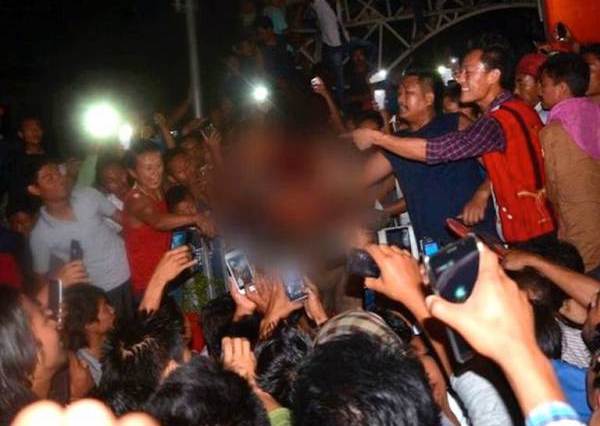
[I]n the Northeast [of India] IBI no longer has a literal meaning nor is it about citizenship, it is a racist shorthand, a template; a discursive formation under consolidation since the late 1970s which represent Bengali Muslims in the Northeast…”
Continue reading ““Illegal Bangladeshi Immigrant” & India’s Honour”
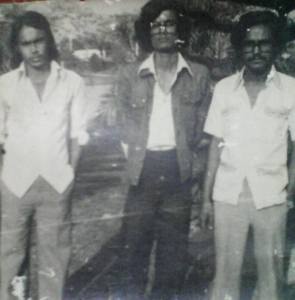
Remembering Humayun Faridi
by Anu Muhammed for Alal O Dulal
Continue reading “Remembering Humayun Faridi”

An Evaluation of the Opposing Views of my Two Teachers
By Professor M.M. Akash for Samakal; translated for Alal O Dulal by Professor Farida Khan. Continue reading “The New Economy”

Return of the Opinion Makers
by Zahur Ahmed for Alal O Dulal
Another year marks more doldrums, further loss of lives, sensational news cycles, the return of the opinion makers and powerful foreigners. Continue reading “Return of the Opinion Makers”

While we discuss Bangladesh politics- India comes up automatically. Regional hegemony, friendship and bitterness, mutual interest, influence over Bangladesh’s internal politics- hosts of many other issues make India an important and inseparable factor in Bangladesh. Continue reading “Comparison of India and Bangladesh”

“Turning and turning in the widening gyre” is an appropriate last chapter for a book that is an amazing picture of the wheels of global capitalism as it lifts some and crushes others over centuries, continuously depleting “the reservoirs of human energy” and “the limited treasures of a wasting planet”. Continue reading “LABOR: World in a Shirt and Infinity in a Stitch”

একাত্তরে স্বাধীন বাংলা বেতার কেন্দ্রে গীতিকার গোবিন্দ হালদারের লেখা সেই অবিস্মরণীয় গানগুলো হলো- ‘মোরা একটি ফুলকে বাঁচাব বলে…’, ‘এক সাগর রক্তের বিনিময়ে…’, ‘পূর্ব দিগন্তে সুর্য উঠেছে রক্ত লাল রক্ত লাল রক্ত লাল…’, ‘লেফট রাইট লেফট রাইট…’, ‘হুঁশিয়ার হুঁশিয়ার…’, ‘পদ্মা মেঘনা যমুনা তোমার আমার ঠিকানা…’, ‘চল বীর সৈনিক…’, ‘হুঁশিয়ার, হুঁশিয়ার বাংলার মাটি…’।
Continue reading “Red Salute to Gobinda Halder”

by Nalifa Mehelin for AlalODulal.org
The distance between Bangladesh and Palestine is 3384.95 miles. Continue reading “Do you #SupportCHT?”

The Survivor
by Ukhengching Marma for AlalODulal
This is the story of an 8 year-old Marma girl, who loves to go school, likes to play with her friends, and lives with her family in a small remote village in Rangamati in the Chittagong Hill Tracts. Continue reading “The Survivor”

It focuses on two public texts, a national identification card and a censored photograph, both generated during a state of emergency in Bangladesh, from 2007-2008. Continue reading ““Picture-Thinking”: Sovereignty and Citizenship in Bangladesh”

by Adnan R. Amin for AlalODulal.org
The works of Monajatuddin – the Minstrel Journalist – have had more of a shaping role in contemporary Bangladesh than that of many a politicians, development-pundits, editors or litterateurs. Take for example, the Child Marriage Restraint Act 2014, only recently okayed by the cabinet. It was Monajatuddin’s keen, investigative reporting on child marriage that informed and laid the groundwork for necessary social-debates and policy-making. Continue reading “Monajatuddin: The Minstrel Journalist”

Recently a friend, who is usually the image of equanimity, uncharacteristically expressed shock and disillusionment at the way the social and cultural elite of Dhaka comported themselves in the wake of the contempt of court verdict. Continue reading “The Long War”

The brutal death of Korpan Shah has raised enough hue and cry amid the media and public, partly because of its viciousness, and mostly because of its alleged perpetrators. Following an alleged theft of cell phone from the hostel of N.R.S. Medical College, Kolkata, the psychologically challenged Mr. Shah was lynched to death, allegedly by the students of premier institution. Continue reading “Korpan Shah and the Medical Malady”

In the 80s Kabir Suman was working as a journalist for the Voice of America, under the Reagan administration. This is an inside view from those times as he retraces the genesis of the rise of Taliban. This was written in the wake of the senseless heinous act of Tehreek-e-Taliban Pakistan in Peshawar where they killed innocent school children in an army school. Continue reading “Kabir Suman on the origin of Taliban”

Since the oil spill disaster started in the Sundarbans on the night of the 9th of December many ebbs and flows of the tide have come and gone. The thick and poisonous spilled oil reaches wherever the water reaches during the high tide, via the Shela river (where the disaster originated), Pasur and Baleshwari rivers, and the innumerable canals. Continue reading “Sundarbans in Grave Danger and Our Government’s inaction”

Whenever we appeal to stop the destructive Rampal project and ORION coal based power plant, to safeguard our great Sundarbans, natural habitat of thousands of lives, whenever we ask to cancel Fulbari open pit project which damages a vast agricultural land and a large civilization, Continue reading “Sundarbans’s Fight for Survival”
‘He’s a great humanitarian, he’s a great philanthropist
He knows just where to touch you, honey, and how you like to be kissed
He’ll put both his arms around you
You can feel the tender touch of the beast
You know that sometimes Satan comes as a man of peace’ Continue reading “A Man of Peace”

When you turn to page 186 of In the Light of What We Know, you encounter an illustration. The novel’s two main characters have by this point discussed many things, and readers may have already been craving visual aids. But this is the first time the text is interrupted by a diagram. You sense, therefore, the arrival of a crucial digression. Continue reading “Known Unknowns of the Class War”
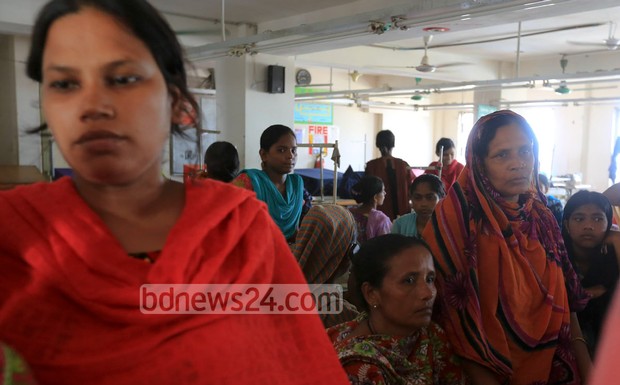
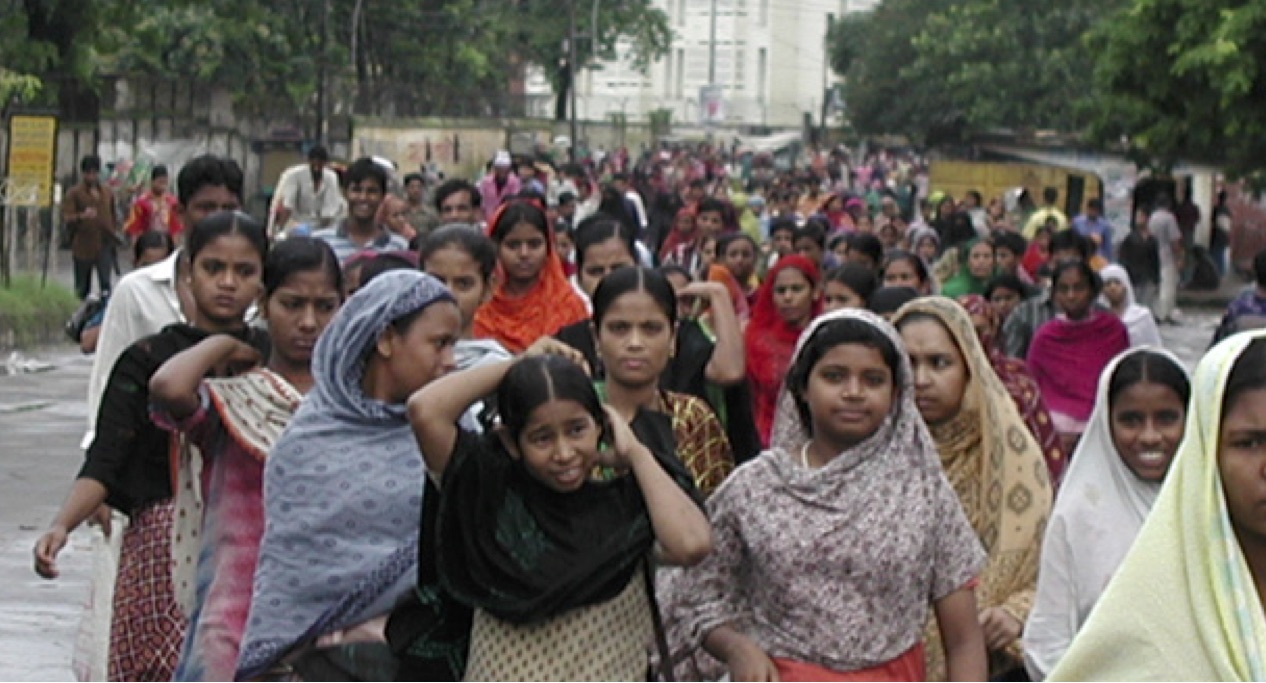
The Tazreen fire and Rana Plaza collapse has made many Western consumers shudder at the thought of their complicity with sub-human conditions in the Third World factories where their clothes are sewn. While consumers are often careful to avoid purchasing soccer balls sewn by child labor Continue reading “Reflections on “Unprecedented Changes” in the Garments Sector of Bangladesh”
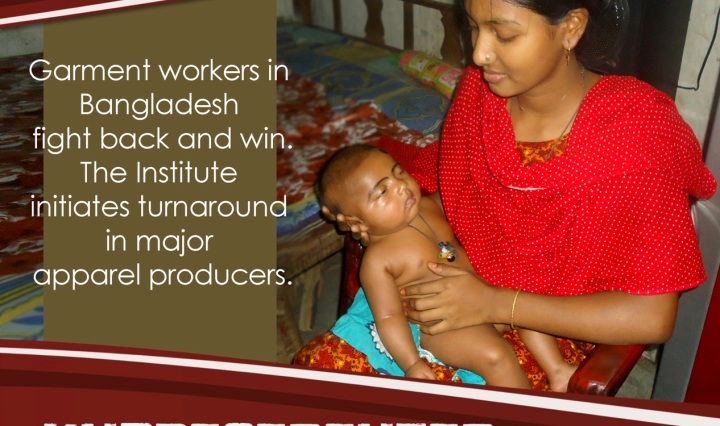
Soon after the Tazreen fire and Rana Plaza collapse, there were two types of reaction from the buyers who were sourcing garments from Bangladesh. There was one group who felt they need to move away from sourcing from Bangladesh. Another group felt somewhat responsible Continue reading “Unprecedented Changes in the Garments Sector of Bangladesh”
By Saba Homaira Ahmad
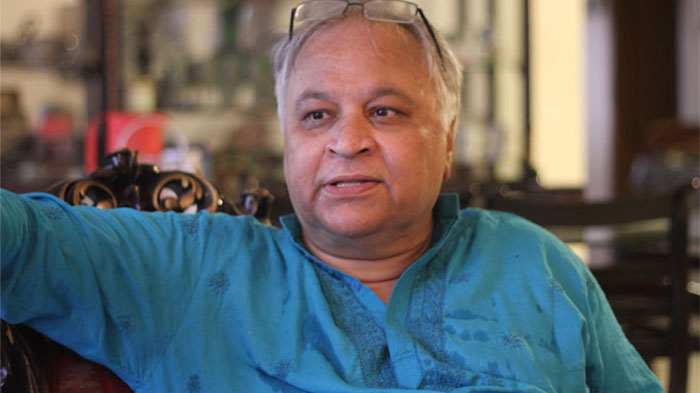
“Saba makes a great point: there is something to be said about elitism in ‘civil society.’ It is worth asking why the sense of disenfranchisement among students exists in the first place” – Navine Murshid, Assistant Professor of Political Science, Colgate University

For India, it took the shape of Hindu right-wing and their counter-imposition of a false construct of Hindu and Indian identity. The irrelevant political force of Hindutva took the centre-stage, asserting its claim on the identity of ‘Indian-ness’ and ‘Hindu-ness’. And like any two compatible hegemony, down the lane, there were a political pact between the two. Once it was realised that the gullible globalised middle-class can be bought and bribed and made to want almost anything with enough packaging and with enough lucre, the only question remained how long it would take.


“One of the reasons that so far GA and JI got all the leniency and privileges is partly due to the divisions in the anti JI, pro war crimes trials and Shahbagh/Projonmo Chottor lobbies.”
[Asif Munier is the son of Munier Chowdhury, a playwright and intellectual killed by Al Badr forces in 1971. He is the Vice President of Projonmo 71, an organization of the children of the martyrs of the liberation war of Bangladesh]
Continue reading “Munier Chowdhury’s Son Speaks”

What is harder to explain, however, are the actions of us independent Bangladeshis. The fact that we allowed him to return to the country he conspired against. The fact that he was allowed to stay here for 16 years – from 1978 to 1994 – on the passport of a foreign country and practice politics, when he did not even have a valid visa.
Continue reading “Mufazzal Haider Chaudhury’s Son Speaks: The Unrepentant Man”

“A country whose soil is soaked in the blood of the martyrs, a country whose soil still bears witness to the history of genocide — the soil of that country will receive the body of the Captain of the Rajakars? How are we to answer to our conscience?”
জাতীয়তাবাদের একূল-ওকূল
পিয়াস করিম
“যে জাতীয়তাবাদ নিজেকে অতিত্রম করার, নিজেকে ভেঙেচুরে আন্তর্জাতিক মানবতায় একীভূত করার নিরন্তন চর্চাকে নিজের মধ্যে ধারণ করতে পারে না, আজকের গণতান্ত্রিক আন্দোলনের কাছে তার কোনো মূল্য নেই।”
Continue reading “Piash Karim: The Two Sides of Nationalism”

Stop vilifying someone who warned us not to accept a blind nationalism, a patriotism that does not allow for discussion, examination or self-criticism.
Continue reading “Remembering Piash Karim – A Student’s Perspective”

“One doesn’t have to succumb to a teleological faith in historical progress to ascertain that language-based nationalism is a step forward from its religion-based counterpart. But it is also equally true that like any other form of identity, linguistic identity also includes some at the expense of others.”
Continue reading “Piash Karim (1958-2014) : Language, nation, and multiplicity”

In a country as diverse as the Republic of India, it is expected that the national identity represented by the national emblems like the flag or the anthem would not get much air of importance or attention.
Continue reading “Standing Up For Sitting Down”

From the picturesque, sleepy, tucked away town of Hamilton to the chaotic city of Kolkata, from the Mexican town of Iguala to bustling streets of Hong Kong to the suburban district outside of Denver, Colorado, students were out.
Continue reading “Did You Hear The Loud Laughter This September?”

When I was very little my mother used to tell me all kinds of bedtime fairytale stories. I used to think that the fairy princesses from these stories were supremely happy and content. You could say, my life now is the exact opposite of their lives.
Life in the School Room
by Apsari Chakma, translated by Tibra Ali for AlalODulal.org Continue reading “Apsari Chakma: Life in the School Room”

But with all its manifold new words from other tongues, English could never have become anything but English. And as such it has sent out to the world, among many other things, some of the best books the world has ever known. Continue reading “Ahmed Shamim: Colonisation Of Bengali Language and Tagore – Open vs Rigid discourse”
by Lamia Karim for alalodulal.org
A mathematician by training, Zia Haider Rahman’s debut novel is a literary masterpiece. It is a deeply unsettling novel where the protagonist’s ‘descent of hope’ reveals our loss of a shared humanity. The novel is a magisterial sweep of the landscape of the 21st century that is characterized by war, migration, and rootlessness.
Continue reading “In the Light of What We Know: A Novel that Defines Our Times”
Bangladeshis rarely get to cheer their heroes, but when they do they are euphoric. They came out in droves to celebrate the nation’s first ever qualification for the cricket World Cup, and for some memorable wins since then. But wins have been few and far between. There were other celebrities and celebrations – the Nobel Prize for the Grameen Bank and its founder — but they would hardly match the glitz and glamour bestowed by a ‘would be’ Bangladeshi film or a cricket star.
Continue reading “AJ, Arrival of a Bangladeshi Hero”


Just as it is a crime to use hapless humans as shields in wars, the Tuba group has committed a crime by using hungry and wage-depraved workers. The Labour Minister has legitimised this use. The Shamim Osman(s) rely on the support of the party in power, and garment factory owners rely on the government support. What a dreadful situation.
Continue reading “TUBA STRIKE: What a country have we become!”


The Smell of Siege and the fragrance of freedom
‘Like fish in a barrel, with nowhere to go’
Galloway, on Gaza
by Seema Amin for AlalODulal.org
It must be that nothing is inviolate in a violated world. Continue reading “The smell of siege and the fragrance of freedom”


My Own Private Palestine
by Naeem Mohaiemen for AlalODulal.org (originally published under a pen name in Daily Star)
Imagine a country where troubles started with British rulers. Drawing lines, separating people, making “country.” Continue reading “My Own Private Palestine”


জিয়া হাসান: “আজকে যদি এই রাষ্ট্রে একটা মানবিক এবং নৈতিক সরকার থাকতো, তবে তার দায়িত্ব হতো, তোবা গ্রুপের সকল ডাইরেক্টরদের স্থায়ী অস্থায়ী সকল ধরনের সম্পদ এবং মেশিন বিক্রয় করে, এই গ্রুপের শ্রমিকদের বেতন পরিশোধ করা।”
Continue reading “Do they know it’s Eid Mobarak?”

Our history is never still, and there are always processes of rewriting Bangladesh’s history. The best response to such history wars is to let the record speak, when possible. In an Alal O Dulal exclusive, we have translated a 37 page interview of Kamal Hossain (from Shaptahik magazine, 2014). This is the first part.
Continue reading “Kamal Hossain Interview (Part 1)”

আর একটু হাঁটো কবি
পথ চলা এখানে থামালে যে চলবে না,
আমার তো এখনও অনেক শেখার বাকি।
Continue reading “তোমার যাওয়া হবে না কবি/You Can’t Yet Leave, My Poet”
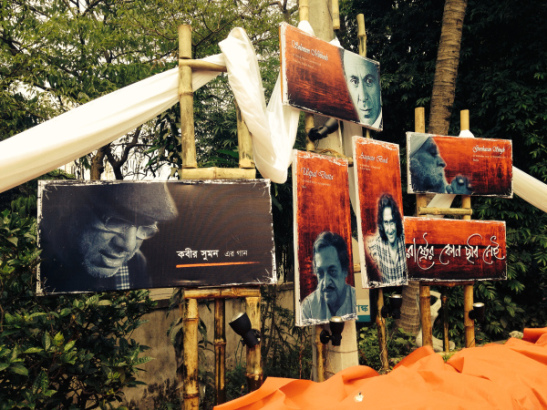
Kabir Suman, a songwriter, a singer, a musician, a journalist, an author, an activist, and an ex-parliamentarian (Lok Sabha, Parliament of India, 2009-2014), probably needs little introduction. About a quarter century back when Suman burst into the musical firmament of Bengal it was a never-before-seen phenomenon in the contemporary cultural world of Bengal — he had an instant cult following. In this exclusive interview with AlalODulal Suman talks about music, religion, and Bengal. Continue reading “AOD Interviews Kabir Suman — Kobigan, the lost musical heritage of Bengal and more”

The Killings at Bangladesh’s Bihari Camp – Murder Mystery or Murder with Impunity?
By Nadine Shaanta Murshid
There are multiple stories. We are either to believe one of them or cast aside the whole incident as an accident. The stories are important to note, however, given that each story has a different set of perpetrators and actors, as well as a different motive behind the killings. What remains unchanged in all these stories is this: 10 Urdu-speaking non-Bengali Bangladeshi citizens who live in ‘Kalshi’ were killed, 8 of the deceased are from the same family. Continue reading “The Killings at Bangladesh’s ‘Bihari Camp’ – Murder Mystery or Murder with Impunity?”

A young girl writes a poem where she asks a simple question — one which no one can answer. She asks, “Who am I?” Her forefathers were born in India, they immigrated to Pakistan, she was born in Bangladesh. India has given up on them a long time back, Bangladesh will not accept them as the children of the land and Pakistan will not take them back. She says that she has many names ‘Bihari’, ‘Maura’, ‘Muhajir’, ‘Non-Bangalee’, ‘Marwari’, ‘Urdu-speaker’, ‘Refugee’, and ‘Stranded Pakistani’. But she only wants one: human. This is the state of being of the 1.6 lakh camp-based Urdu-speaking community in Bangladesh. Continue reading “A Place to Call Home”

The politics involving various minority groups have become a veritable concern. Well-meaning views, dialogues, and inceptions of new laws are very important. Yet, unless and until the complacent ‘majority’ makes a conscious effort, even causes an outcry to promote and protect their ‘minority’ siblings’ rights, real change is very hard to imagine. For their society to be ‘vaguely equal’, the ‘majority’ has to come out defending the rights of ‘minority’ protesting, condemning, and help in prosecuting the perpetrators of all forms of discrimination. The country’s proposed Anti-Discrimination law, hopefully would provide impetus for such collective actions.

It is due to the initiative of Professor Amalendu De that the grave of Rokeya Sakhawat Hossain, one of the vanguard thinkers of equity and rationalism in the subcontinent and a great spokesperson for human rights, was found in Sodepur, near Kolkata.
Continue reading “Remembering Historian Amalendu De”

A Way of Living Lost In ‘Selfie’ and ‘WhatApp’
By Garga Chaterjee for Alal O Dulal
Our neighbour of many years, Ananda Santra, died yesterday. Anandda kaku lived in our apartment complex in the Chetla locality of Kolkata (Ward Number 82 of the Kolkata Municipal Corporation). Continue reading “A Way of Living Lost In ‘Selfie’ and ‘WhatsApp’”
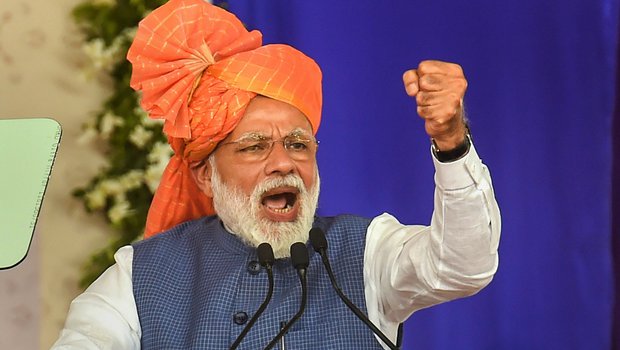
By Nadine Murshid for AlalODulal.org
OPEN LETTER TO NARENDRA MODI
Dear Mr. Modi,
It has come to our attention that you are about to head the next government in India. Many congratulations. It has also come to our attention that you have been saying un-neighborly things about us, Bangladesh and Bangladeshis. We are deeply hurt by your comments, but we are open to forgiveness. We are not the forgiving type, really, but we do make exceptions. And we will for you if you carefully consider the following: Continue reading “Open Letter to Narendra Modi”

In scores of rallies and public meetings, workers raised questions about the luxurious life led by factory owners while they lived in sheer misery. `While you (factory owners) eat the chicken’s thigh, we chew its feet, its claws.”
‘Beauty’ for the Owner, ‘Deformity’ for the Labor
by Saydia Gulrukh Continue reading “‘Beauty’ for the Owner, ‘Deformity’ for the Labor”

In 2010, the world reached its target for Millennium Development Goal 1 (MDG 1) five years ahead of schedule. Continue reading “Battling Extreme Poverty in Bangladesh”

লাতিন ও বাংলা উপন্যাস: আত্মের হদিস কিংবা উপন্যাসে আদমসুরতের নকশা
ফারুক ওয়াসিফ
যে জগতের গিঁট ছিঁড়ে গেছে, যার মন থেকে মুছে গেছে দুর্ধর্ষ সব কল্পনা, যে হারিয়ে ফেলেছে স্বপ্নজননক্ষমতা, সেই জগতে মার্কেসের মতো কথাকারেরা ফিরিয়ে আনলেন পুরাণপ্রতি কল্পনা৷ Continue reading “Remembering Garcia Marquez: Latin & Bengali novel, finding the self, or the map of the human apparition”

Is this the Bangladesh we wanted?
Analyzing the Hindu Population Gap (2001-2011)
In October 2012, Prothom Alo published a frightening report that stated, in plain words, that over the last decade (which spans BNP, AL, and Military “CTG” government), the Hindu population of Bangladesh has dropped dramatically and continuously. Continue reading “Is this the Bangladesh we wanted? Analyzing the Hindu Population Gap (2001-2011)”

Narcissism of Small Differences: Some Comments on the T20 Debate and on Nationalism in the Era of Neoliberal Globalization
by Humayun Kabir for Alal O Dulal
The ICC T20 World Cup Theme Song and the Opening Ceremony have generated sizable controversy over the past weeks. Continue reading “T20 Debate And Narcissism Of Small Differences”
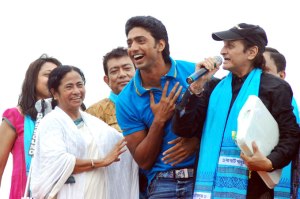
Stars, planets, black-holes – West Bengal’s glamorous turn
By Pratik Deb for AlalODulal.org
The recent announcement of candidates for the upcoming parliamentary election by Trinamul Congress supremo and the current chief minister of West Bengal Mamata Banerjee created unprecedented uproar and commotion in the state as she chose a large number of candidates belonging outside of the political arena. Continue reading “Stars, planets, black-holes – West Bengal’s glamorous turn”

Liberation through the Gunday lens
By Fahima Durrat for AlalODulal.org
Factual errors made in a fictitious storyline may seem like a trivial matter, but they can hide icebergs. The iceberg that showed its tip in the film Gunday seems to have reappeared again in the headlines of Indian newspapers. Bangladesh protests against “distortion” of history, they report. Those inverted commas reveal a deeper source of offence.

Sexuality as Liberation? The Work of Salvation Narratives in Neoliberal Times
By Dina Siddiqi for AlalODulal.org
“[T]he connection between mosques, Muslims and conservative parents is ‘common sense’ in Euro American imaginations.” Continue reading “Sexuality as Liberation? The Work of Salvation Narratives in Neoliberal Times”

By Muhammad Ahmedullah for AlalODulal.org
The English East India Company first visited Bengal in the early 1660s to purchase textiles. At that time Bengal was already a famed manufacturing centre of the finest cotton textiles in the world.
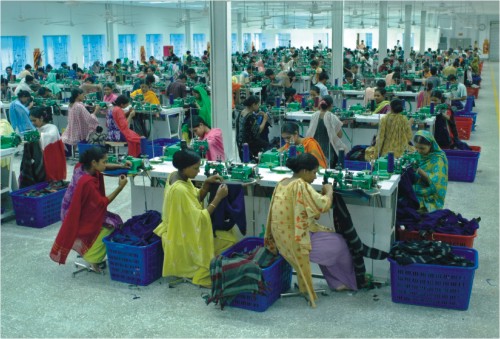

“more than three million women have been guaranteed jobs through the RMG sector, thus uplifting their status within the family, the society, and the state. If anyone has demolished the wall of repression, these are the millions of women workers of Bangladesh. If anybody has tasted freedom in whatever sense, it is these women. American Apparel, gain cheap popularity with your tantalizing ad all you want, but do not act as the grand savior…”
Continue reading “American Apparel, gain cheap popularity, but do not act as the grand savior”

How did a dyslexic child become one of the world’s most celebrated designers and applied his sheer brilliance to develop products that have stood the test of time?
Mahmudul Islam provides a perspective on the role of parenting on a particular kind of normative success for AlalODulal.org.

The Face of Dipjol
By Arafat Kazi for AlalODulal.org
“Tolowar chalabo ami! Tor Dadima buritar matha kete aaj ami football khelbo. Kothaye? Kothaye Jannat Begum?”

AlalODulal Editorial Board condemns in the strongest terms the violence that left at least 11 Urdu Speaking people (“Biharis”) dead. Anthropologist Dina Siddiqi’s research on the conditions of “stranded Pakistanis” (inaccurately called “Biharis,” but more accurately “Urdu speakers”) after 1971 is newly relevant. In the current discourse around the 1971 war, the fate of the Urdu speakers at war’s end is elided. It is one of the zones of silence because it does not fit with the Bangladeshi discourse around the war. Nor does it fit Pakistan’s convenient discourse, especially after a 2008 high court decision granted them Bangladeshi citizenship. We at AlalODulal feel it is crucial to highlight those left behind in multiple nation projects.
Continue reading “Left Behind By the Nation: ‘Stranded Pakistanis’ in Bangladesh”

Justice for Sabita and some related issues
By Tandra Chakma. Translated by Tibra Ali for AlalODulal.org
According to UN Women 25th of February is “Orange Day.” Every year this day is observed around the world as part of the campaign calling for end of violence against women. Continue reading “Tandra Chakma: Justice for Sabita and some related issues”

একুশের সংবাদ: আদিবাসী শিশু পড়বে নিজ ভাষাতেই
by Biplob Rahaman for AlalODulal.org
কিছুদিন আগে বিশিষ্ট আদিবাসী গবেষক, চাকমা রাজা দেবাশীষ রায়ের সঙ্গে আলাপ-চারিতা হচ্ছিল আদিবাসী শিশুর মাতৃভাষায় লেখাপড়ার বিষয়ে। Continue reading “আদিবাসী শিশু পড়বে নিজ ভাষাতেই”

মায়ানমারে চম্পকনগরের পথে
সুপ্রিয় তালুকদার for alaodulal.org
[ বংশানুক্রমে জানা যায় যে চাকমারা চম্পকনগর নামক স্থান থেকে পার্বত্য চট্টগ্রাম ও তৎসংলগ্ন অঞ্চলে এসেছে। কোন চম্পকনগর থেকে এসেছে তা নিয়ে মতভেদ থাকলেও নৃবিজ্ঞান, বিখ্যাত গবেষকদের মন্তব্য, প্রাপ্ত নির্ভরযোগ্য তথ্য এবং মায়ানমারের ইতিহাস বিশ্লেষণে আমি নিশ্চিত ছিলাম যে চাকমারা মায়ানমারের চম্পকনগর থেকে এসেছে। Continue reading “সুপ্রিয় তালুকদার: মায়ানমারে চম্পকনগরের পথে”
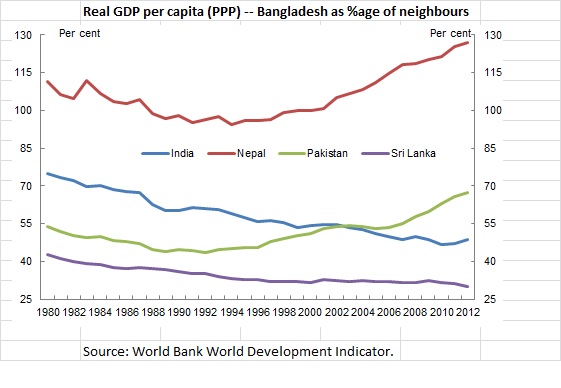
In his latest economic post for Alal O Dulal, Jyoti Rahman argues that compared to its neighbours Bangladesh has done considerably well across a number of indicators. Continue reading “Missing the mark about feeling good”

By Ikhtisad Ahmed for AlalODulal
History exists in the abstract. Vague theories are posited, established and refuted, but rarely felt. Over the years mankind has perfected this art-form into an exact science. Regrettably, Bangladesh never got the instruction manual. Continue reading “Ekusher Prothom Kobita”

If trolling through history reveals involvement of youth in political or socioeconomic upheavals, in case of Bangladesh their raison d’etre has been simple and straightforward: to bring about (political) change. Continue reading “Placing the Voices of Shahbag in Modern Narratives of Transnational Youth Protest – Part 2”

If trolling through history reveals involvement of youth in political or socioeconomic upheavals, in case of Bangladesh their raison d’etre has been simple and straightforward: to bring about (political) change. Continue reading “Placing the Voices of Shahbag in Modern Narratives of Transnational Youth Protest – Part 1”

‘Where is the Chakraborty house?’Which Chakraborty?’
‘Oh, I think Chakraborty is…’
‘Do you think there is only one Chakraborty here?” one of them asked me, seeing me hesitate.
Continue reading ““Do you think there is only one Chakraborty here?””
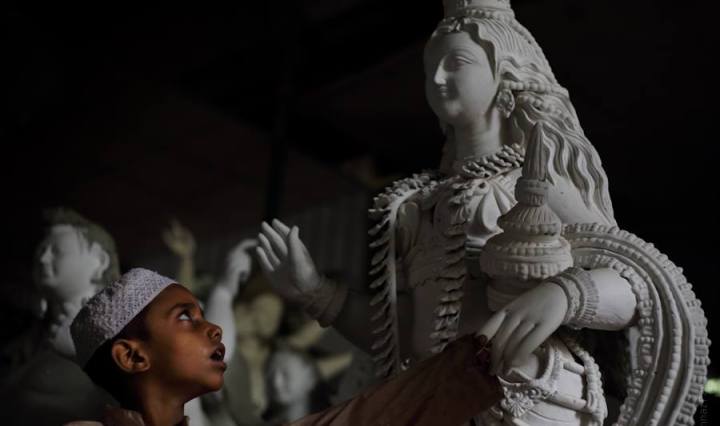
by Nasrin Khandoker, translated by Hana Shams Ahmed for Alal O Dulal
“We need to get a grasp of which edge of the crater in the global imperialist politico-economic map we are situated, how and in what name we exist there. Who is constructed and presented in what role in the world theatre of Islamophobia. Continue reading “Eternal Othering and Presentation of Communalism on the World Stage”

My Cartographer by Awrup Sanyal for Alalodulal
This city now wears a different look, walks a different gait, hides and reveals differently, calls out from nooks I never knew existed. Continue reading “My Cartographer”

টিনেজ যৌনকর্মীদের ছবি প্রকাশ, দারিদ্র্যতা শো করা ছাড়া অন্য কিছু না – মৃদুল শাওন
ফেসবুকে কয়েকজনরে দেখলাম একটা লিঙ্ক শেয়ার দিতাছে। ‘BuzzFeed’ নামের একটা আমেরিকান ওয়েবসাইটে বাংলাদেশের টিনেজ-যৌনকর্মীদের তিরিশটা ছবি। শিরোনাম- “30 Tragic, Beautiful Photos Of Teenage Prostitutes In Bangladesh”। Continue reading “Publishing the images of teen sex workers is nothing but a showcase of poverty”

by Zia Hassan, translated by AlalODulal.org
Those who want to float a party for the common people, who dream of rescuing Bangladesh from the two predators, must not only take away the name of Kejriwal’s Aam Aadmi Party. They must also learn from their 20 year-old activism. Continue reading “Perils of Bollywood-Dhallywood copying Amadmi to Am Janata Party of Bangladesh”

Bengali Hindus in Muslim-majority Bangladesh
by Garga Chatterjee for Alalodulal
“Hey there mister can you tell me what happened to the seeds I’ve sown
Can you give me a reason sir as to why they’ve never grown? Continue reading “Bengali Hindus in Muslim-majority Bangladesh”
 আলাল ও দুলাল | ALAL O DULAL